





What's Happening?
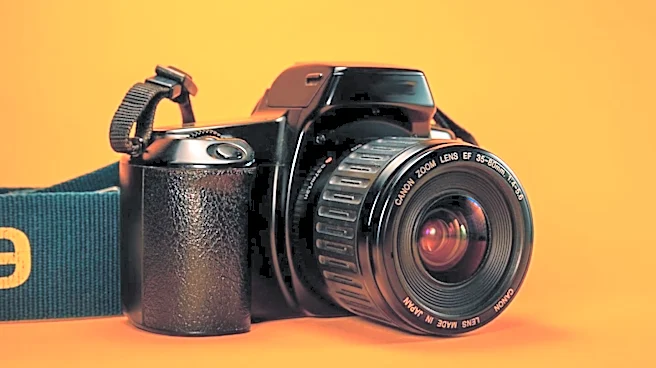
A programmer, lauris-nl, has successfully ported a playable version of the classic video game Doom to a Canon EOS 550D digital SLR camera. This achievement utilizes the open-source Magic Lantern firmware, which is typically used to unlock additional features
for the camera. The Canon EOS 550D, also known as the Rebel T2i, was released in 2010 and features an 18-megapixel APS-C sensor, a DIGIC 4 image processor, a 3-inch TFT LCD display, and a rear mono speaker. The game runs smoothly on the camera, with the camera's physical buttons repurposed for in-game controls: the up, down, left, and right buttons control movement and navigation, while the set button acts as the select and fire button. The Menu button opens the in-game menu, and the DISP. button allows users to return from the Doom menu. The camera's built-in speaker also provides in-game sounds.
Why It's Important?
This development highlights the ingenuity within the developer community and the unexpected capabilities of consumer electronics when modified with open-source firmware. While seemingly a niche project, it demonstrates the potential for repurposing older hardware and pushing the boundaries of what devices are designed to do. For enthusiasts and hobbyists, it showcases the versatility of open-source projects like Magic Lantern, which can extend the lifespan and functionality of electronic devices beyond their original specifications. This kind of innovation can inspire further exploration into embedded systems and custom software development, potentially leading to new applications or educational tools. It also underscores the enduring appeal of classic video games and the creative ways in which they are adapted to various platforms.
What's Next?
The developer has specified that this Doom port is exclusively compatible with the Canon EOS 550D running firmware version 1.0.9, cautioning against installation on other camera models or firmware versions to prevent potential damage. For those with the specific compatible gear, the installation process involves copying the module to the ML/MODULES/doom.mo folder and creating an ML/DOOM/ folder for the game files on an SD card. After inserting the SD card, users can select Doom from the Magic Lantern Games menu and restart the camera to play. While this specific port is limited, the broader trend of porting games to unconventional devices is likely to continue, with other developers having previously ported Doom to devices like an electric cooking pot and an Apple Lightning-to-HDMI dongle. Another developer has also created a Doom port for the Canon PowerShot SD1000 / IXUS 70 point-and-shoot camera from 2007, suggesting ongoing interest in such projects.
Beyond the Headlines
This project transcends mere novelty, touching upon several deeper implications. Ethically, it raises questions about the boundaries of device modification and the potential for 'bricking' hardware when users attempt unsupported installations. Legally, it navigates the grey areas of intellectual property, as classic game code is adapted for new platforms, often without direct commercial intent but relying on the original game's assets. Culturally, it reinforces the enduring legacy of games like Doom, which continue to captivate and challenge developers decades after their initial release, becoming a benchmark for testing the limits of new or repurposed technology. This phenomenon also speaks to a broader hacker culture that values exploration, customization, and the subversion of intended uses for technology, fostering a community of innovation and shared knowledge.