





What's Happening?
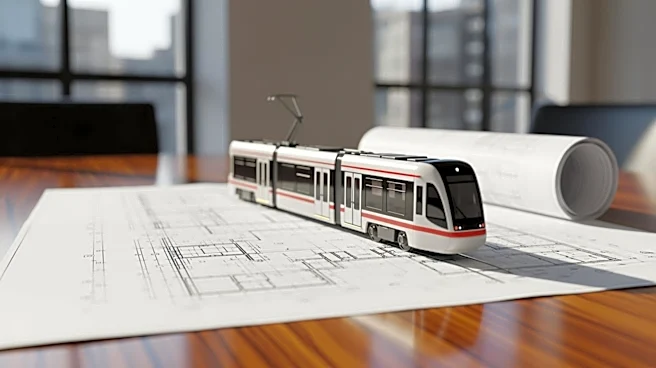
Seattle City Councilmember Dan Strauss is advocating for the continuation of the Ballard Light Rail project, which faces potential postponement due to Sound Transit's budget constraints. The Ballard Link Extension, projected to serve up to 148,000 daily
riders, is at risk of being indefinitely delayed. Strauss, a Sound Transit board member, has proposed amendments to prioritize the project, suggesting a reallocation of funds from a second downtown tunnel to a Westlake to Ballard Starter Line. This proposal aims to maximize ridership and address the community's growth needs. Strauss emphasizes the importance of fulfilling the promises made with the passage of Sound Transit 3 (ST3) in 2016, which included plans for the Ballard extension. The issue will be discussed at the upcoming Sound Transit Board of Directors Meeting.
Why It's Important?
The potential delay of the Ballard Light Rail project has significant implications for Seattle's urban development and public transportation infrastructure. The project is crucial for accommodating the city's growth, particularly in Ballard, which has been designated as a regional center for job and housing density. Delaying the project could hinder economic development and strain existing transportation systems. Moreover, the decision reflects broader challenges in public infrastructure financing and prioritization, highlighting the need for strategic financial planning and legislative support. The outcome of this debate could set a precedent for future infrastructure projects in the region.
What's Next?
The Sound Transit Board of Directors is set to discuss the proposed amendments at their meeting on May 28. Community members are encouraged to participate and voice their opinions. The board's decision will determine the project's future and could influence legislative actions regarding infrastructure financing. If the amendments are approved, it could lead to a shift in funding priorities and potentially expedite the Ballard Light Rail project. The discussion may also prompt broader conversations about public transportation funding and urban planning in Seattle.