





What's Happening?
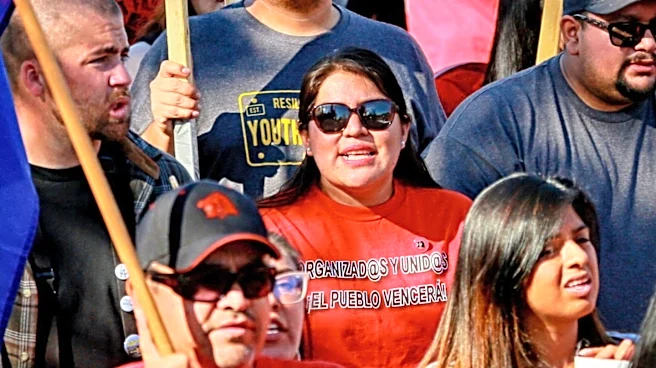
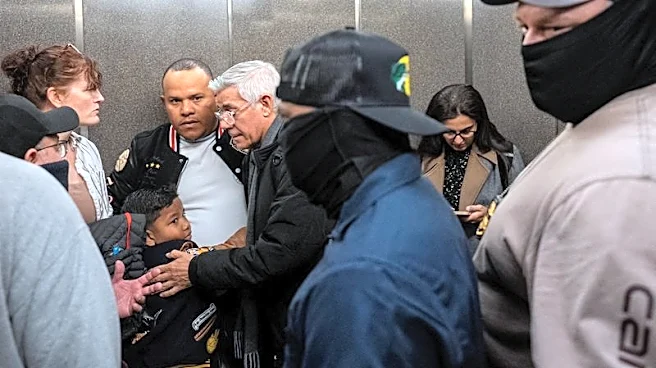
The Prairieland prosecutions have brought to light significant disparities in the U.S. justice system, particularly under the Trump administration. Last July, a group of activists staged a protest at the ICE Prairieland Detention Facility near Dallas,
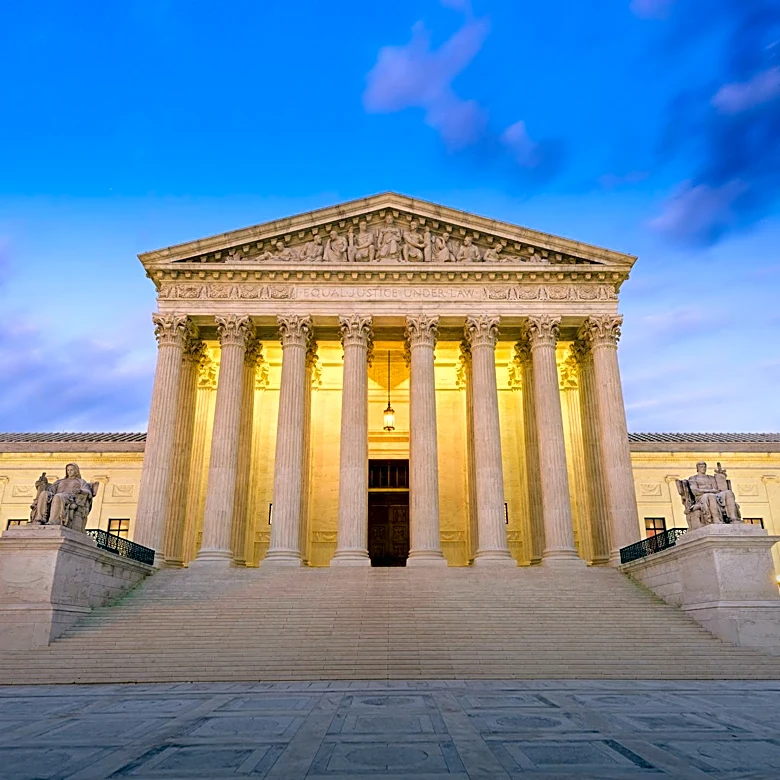
which escalated into violence. Nine activists were convicted, with sentences ranging from 30 to 100 years. The harshness of these sentences, especially when compared to those given to January 6 Capitol rioters, has raised questions about equal justice under the law. The activists, labeled as 'antifa' by prosecutors, faced charges including attempted murder and conspiracy. The case has sparked debate over the treatment of political dissent and the use of severe legal penalties.
Why It's Important?
The Prairieland case underscores ongoing concerns about the fairness and consistency of the U.S. legal system, particularly in politically charged cases. The severe sentences handed down to the activists contrast sharply with the more lenient treatment of January 6 rioters, many of whom received clemency. This disparity highlights potential biases in how justice is administered, raising questions about political influence and the criminalization of dissent. The case also reflects broader societal tensions regarding protest, free speech, and the role of law enforcement in managing civil unrest.
Beyond the Headlines
The Prairieland prosecutions may have long-term implications for how political protests are perceived and handled in the U.S. The case could influence future legal strategies and policies regarding protest-related charges, potentially leading to reforms aimed at ensuring more equitable treatment. Additionally, the case may impact public perceptions of the justice system, contributing to calls for greater transparency and accountability in legal proceedings involving political activism.