






What's Happening?
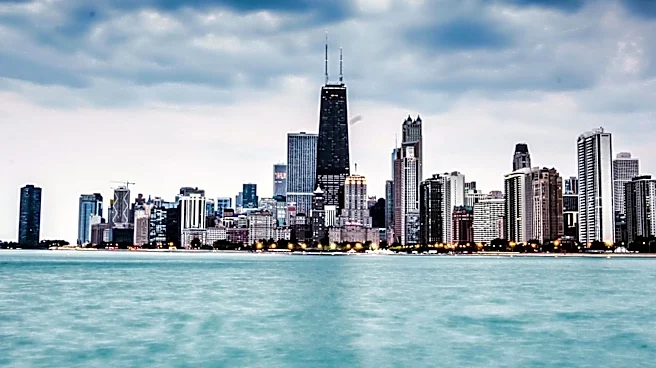
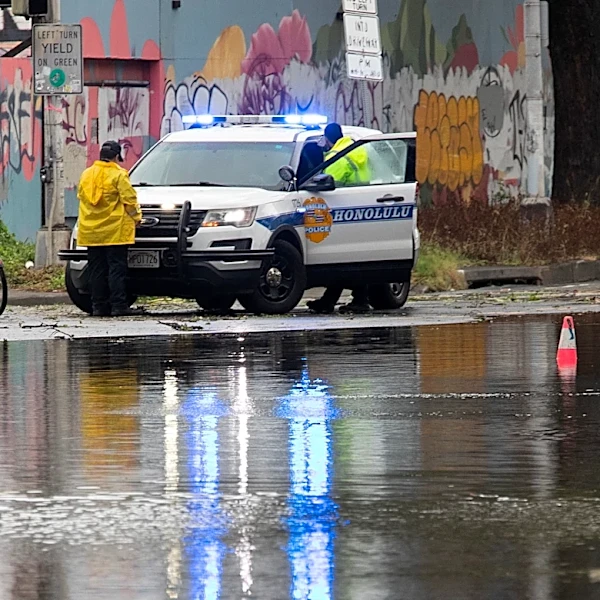
The Chicago area and northwest Indiana have been hit by persistent heavy rainfall, leading to significant precipitation totals and widespread flooding. According to data released by the National Weather Service this weekend, some locations have received
over six inches of rain since August 9. Areas south of Chicago and in northwest Indiana were particularly affected. The week included several rounds of severe weather, notably a devastating derecho on Tuesday that resulted in hundreds of thousands of residents losing power across the region. Specific rainfall totals include Grand Ridge in LaSalle County with 8.84 inches, Paxton in Ford County with 9.45 inches, and Wheatfield in Jasper County, Indiana, reporting 7.77 inches. Chicago's Midway Airport recorded nearly 3.5 inches, while Flossmoor in suburban Cook County saw over five inches.
Why It's Important?
The extensive rainfall and subsequent flooding in the Chicago area and northwest Indiana carry significant implications for infrastructure, public safety, and local economies. The power outages caused by the derecho affected hundreds of thousands of residents, disrupting daily life and posing risks to vulnerable populations. Flooding can lead to substantial property damage, impacting homes, businesses, and agricultural lands, and incurring considerable costs for repairs and recovery. Transportation systems are also severely affected, with road closures and delays impacting commuters and supply chains. Furthermore, the repeated occurrence of severe weather events, as highlighted by this week's storms, underscores the growing challenges posed by changing climate patterns and the need for enhanced urban planning and infrastructure resilience to mitigate future impacts. The economic burden on affected communities and the strain on emergency services are substantial, emphasizing the importance of effective disaster preparedness and response strategies.
What's Next?
As floodwaters begin to recede in some areas, the immediate focus will shift to damage assessment and recovery efforts. Utility companies will continue working to restore power to the remaining affected households and businesses. Local authorities will likely initiate clean-up operations, including clearing debris and repairing damaged infrastructure such as roads and public facilities. Residents and businesses will begin the process of filing insurance claims and undertaking repairs. In the longer term, the significant rainfall totals and the impact of the derecho may prompt discussions and evaluations of current storm drainage systems, flood control measures, and emergency response protocols. There could be increased calls for investment in resilient infrastructure and early warning systems to better prepare for and mitigate the effects of future severe weather events. Public awareness campaigns on flood safety and preparedness may also be reinforced.
Beyond the Headlines
Beyond the immediate damage and recovery, the severe weather events in the Chicago area and northwest Indiana highlight deeper implications related to climate change and urban development. The intensity and frequency of such extreme rainfall events are consistent with projections of a changing climate, suggesting that these types of incidents may become more common. This necessitates a re-evaluation of long-term urban planning strategies, including green infrastructure solutions, improved stormwater management, and updated building codes to withstand more extreme weather. The disproportionate impact on certain areas, particularly those with older infrastructure or lower-income communities, also raises questions of environmental justice and equitable resource allocation for resilience efforts. The disruption to daily life, from power outages to transportation issues, underscores the interconnectedness of urban systems and the cascading effects of climate-related disasters on public health, economic stability, and social equity. This event serves as a critical reminder for policymakers and communities to proactively adapt to a future with more volatile weather patterns.