










What's Happening?
Recent data from the U.S. Department of Education reveals that American universities have received over $300 million in donations from Chinese entities that are now sanctioned. The donations, which include contributions from Huawei and the Beijing Institute
of Technology, highlight concerns about foreign influence and the transfer of technology and knowledge to adversaries. The data aims to increase transparency and ensure compliance with reporting rules. The disclosure has prompted discussions about the need for stricter regulations on foreign donations to educational institutions.
Why It's Important?
The revelation of significant financial ties between U.S. universities and sanctioned Chinese entities underscores the ongoing concerns about foreign influence in American education. These donations raise questions about the potential for technology transfer and the influence of foreign governments on academic research and policy. The situation highlights the need for increased scrutiny and regulation of foreign contributions to ensure national security and protect intellectual property. The data also reflects broader geopolitical tensions between the U.S. and China, particularly in the areas of technology and education.
What's Next?
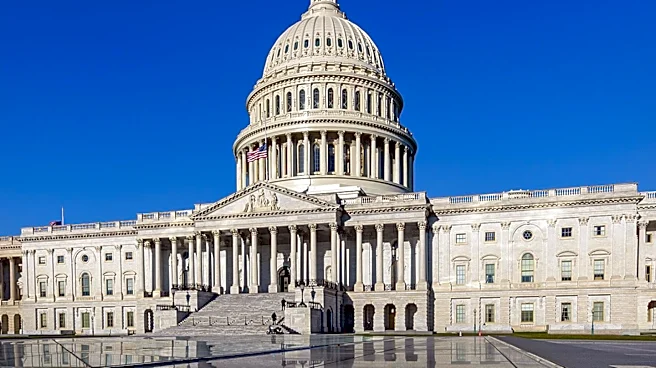
In response to these findings, U.S. lawmakers are considering legislation to lower the reporting threshold for foreign donations to universities. The proposed Deterrent Act aims to increase transparency and reduce the risk of foreign influence by requiring more detailed disclosures. Universities may also face increased pressure to review and potentially terminate partnerships with foreign entities that pose security risks. As the U.S. continues to navigate its relationship with China, educational institutions will need to balance the benefits of international collaboration with the need to protect national interests.