




What's Happening?
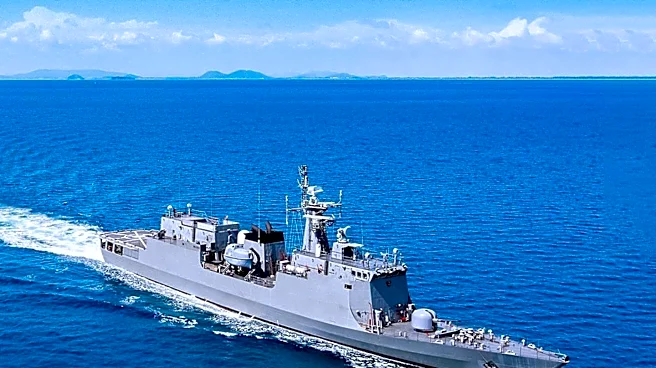
The European naval industry is undergoing significant restructuring, marked by the signing of a consortium agreement for the second phase of the European Patrol Corvette (EPC2) by Fincantieri, Navantia, and Naval Group, with OCCAR present. This agreement aims
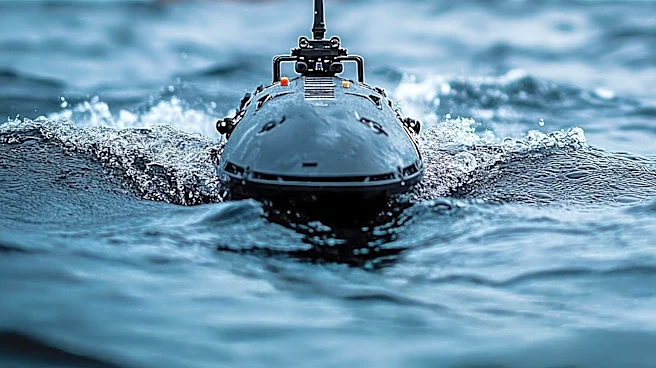
to finalize the design of a common Modular and Multirole Patrol Corvette. Concurrently, Navantia and Fincantieri have established a 50/50 joint venture to serve as the prime contractor for their national programs and exports, focusing on common design, purchasing, and life-cycle support. Naval Group is reportedly considering joining this joint venture. These developments were highlighted at Euronaval 2026, which saw a 45% increase in exhibitors from 2024, signaling a strong European intent to build hybrid fleets combining crewed hulls with uncrewed systems. French Armed Forces Minister Catherine Vautrin emphasized a shift from 'repair to rearmament,' announcing a draft 2027 defense budget of €63.4 billion, an increase of €6.5 billion from 2026, and urging European procurement.
Why It's Important?
This consolidation within the European naval industry signifies a strategic shift towards greater integration and standardization in defense procurement and manufacturing. The EPC2 consortium and the Navantia-Fincantieri joint venture are critical steps towards reducing duplicate designs and fostering a more unified European defense industrial base. This could lead to enhanced interoperability among European navies and potentially more cost-effective development and maintenance of naval assets. For the U.S., this trend could have implications for transatlantic defense cooperation and the competitive landscape of the global defense market. A stronger, more integrated European defense industry might reduce reliance on U.S. defense contractors for certain naval capabilities, while also potentially creating new opportunities for collaborative projects or specialized partnerships. The focus on hybrid fleets, incorporating drones and uncrewed systems, reflects a broader global trend in naval warfare, pushing for innovation in maritime defense strategies and technologies.
What's Next?
The immediate next steps involve Naval Group's decision on whether to join the Navantia-Fincantieri joint venture, which will further shape the landscape of European naval industrial cooperation. The EPC2 consortium will proceed with completing the design of the Modular and Multirole Patrol Corvette. Future developments will also include the progression of various announced but unsigned deals, such as the MdCN Mk2 and Exocet Block 3C missile contracts, and the DGA's development contract for MBDA’s Stratus RS strike missile. The French presidential election in 2027 will be a critical juncture, as the next president's decisions on defense funding will determine whether pledges for increased naval mass, such as 18 or more frigates, translate into actual budgets and procurements. The industry will also be watching for the first orders of armed medium drones, which are currently placed in later increments of naval development.
Beyond the Headlines
The drive for European naval industrial consolidation extends beyond mere economic efficiency; it reflects a deeper geopolitical imperative for strategic autonomy and enhanced defense capabilities in a complex global security environment. The emphasis on 'buying European' and the formation of national teams for specific missions, such as Spain's SIPRIS for seabed protection, underscore a growing desire to secure critical defense supply chains and reduce external dependencies. This shift could lead to a more self-reliant European defense posture, potentially altering the dynamics of NATO and other international defense alliances. The integration of uncrewed systems and artificial intelligence into naval fleets also raises significant ethical and legal questions regarding autonomous warfare and the future role of human decision-making in combat. The long-term implications include a potential redefinition of naval power, where technological sophistication and industrial integration become as crucial as traditional fleet size.