
What's Happening?
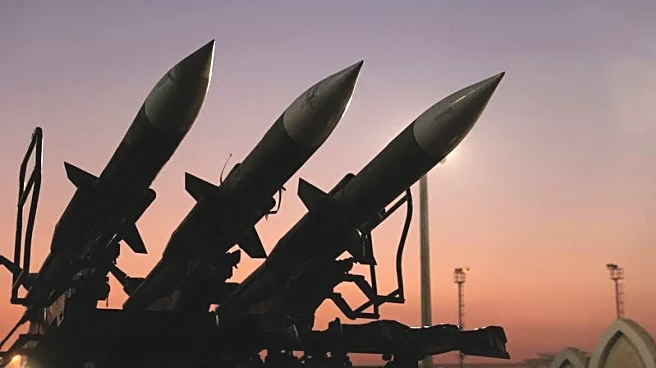
The effective closure of the Strait of Hormuz by Iran has raised significant concerns about the global fertilizer supply chain. This strategic waterway, crucial for the transport of raw materials for fertilizers, has seen a halt in passage following recent
military actions by the U.S. and Israel. The blockade affects the transport of ammonia and nitrogen, essential components in synthetic fertilizers, which are vital for global food production. The disruption is expected to impact crop yields and increase the prices of staple foods such as bread and pasta. The Gulf region, home to major fertilizer production sites, faces potential production shutdowns due to the lack of raw materials and rising energy costs. The situation is reminiscent of the 2022 supply chain disruptions following Russia's invasion of Ukraine, with fertilizer prices already on the rise.
Why It's Important?
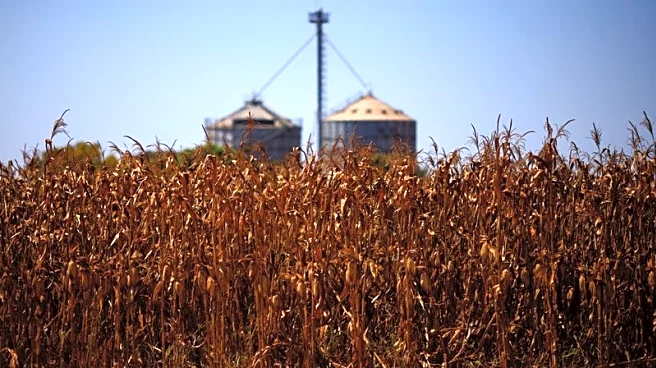
The blockade of the Strait of Hormuz has far-reaching implications for global food security and agricultural economics. With a significant portion of the world's fertilizer raw materials passing through this strait, any prolonged disruption could lead to increased food prices and reduced crop yields. This situation places additional financial pressure on farmers, who are already dealing with narrow profit margins. The rising cost of fertilizers, driven by energy prices and supply chain disruptions, could lead to higher food prices for consumers, exacerbating inflationary pressures. The agricultural sector, particularly in regions dependent on imported fertilizers, may face significant challenges in maintaining production levels, potentially leading to food shortages and increased economic strain.
What's Next?
If the blockade continues, governments and international bodies may need to intervene to stabilize the fertilizer supply chain and support affected farmers. Potential measures could include diplomatic efforts to reopen the strait, financial aid to farmers, and the development of alternative supply routes. The situation may also prompt a reevaluation of global fertilizer production and distribution strategies to reduce dependency on vulnerable supply chains. Stakeholders in the agricultural and food industries will likely monitor developments closely, preparing for potential long-term impacts on production and pricing.
Beyond the Headlines
The current crisis highlights the vulnerability of global supply chains to geopolitical tensions and the interconnectedness of energy, agriculture, and food security. It underscores the need for diversified supply sources and increased resilience in critical sectors. The situation may also accelerate discussions on sustainable agricultural practices and the development of alternative fertilizers that are less reliant on geopolitically sensitive regions. Additionally, the crisis could influence energy policies, as the cost of fossil fuels plays a significant role in fertilizer production costs.