
What's Happening?
State Representative Shad Pearce has publicly acknowledged the significant contributions of farm families to Arkansas's economy and cultural heritage. Pearce emphasized the dedication and sacrifices made
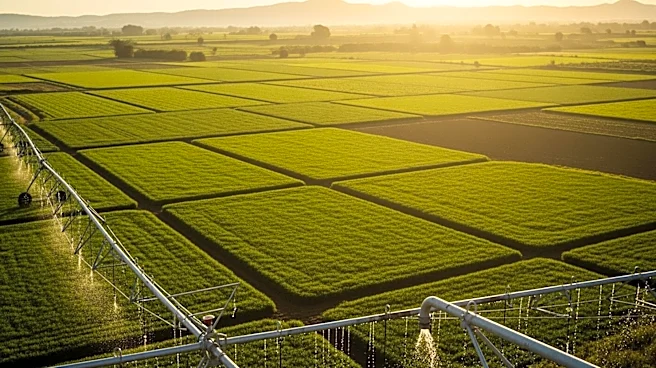
by these families, who are integral to the state's largest industry—agriculture. He highlighted the tradition of passing down land and a commitment to improving it for future generations. Agriculture in Arkansas contributes over $20 billion annually and supports more than 240,000 jobs in various sectors, including farming, transportation, and food processing. The state is a national leader in rice, poultry, catfish, soybeans, and cotton production. Pearce also noted the vital role agriculture plays in supporting rural communities, where it bolsters local businesses and maintains cultural traditions.
Why It's Important?
The recognition by Representative Pearce underscores the critical role agriculture plays in Arkansas's economy and its impact on rural communities. With agriculture being the state's largest industry, the sector's health is vital for economic stability and growth. The industry not only provides substantial employment but also supports a wide range of ancillary businesses, from equipment sales to local retail. This acknowledgment can help reinforce the importance of policy support for agricultural initiatives and rural development. It also highlights the need for sustainable practices to ensure the longevity of this economic pillar, which is crucial for maintaining the state's economic health and cultural heritage.
What's Next?
While the article does not specify immediate next steps, the continued support and recognition of agriculture by state leaders like Pearce could lead to increased advocacy for policies that benefit the industry. This might include initiatives aimed at improving agricultural sustainability, enhancing market access for farmers, and supporting technological advancements in farming practices. Additionally, there may be efforts to strengthen the economic infrastructure in rural areas to further support the agricultural community and ensure its continued contribution to the state's economy.
Beyond the Headlines
The emphasis on agriculture's role in Arkansas highlights broader themes of sustainability and rural development. As the industry faces challenges such as climate change and market fluctuations, there is a growing need for innovative solutions to maintain productivity and economic viability. The cultural aspect of farming, with its deep-rooted traditions, also plays a significant role in shaping community identities and preserving local heritage. This recognition by Pearce may inspire further dialogue on balancing economic growth with cultural preservation and environmental stewardship.