







What's Happening?
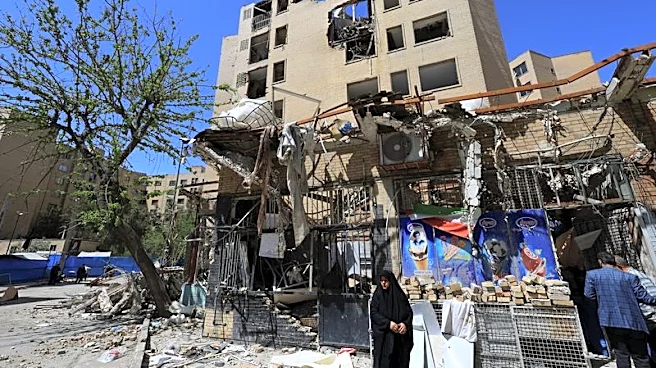
Japan's core inflation rate increased to 1.8% in March, marking the first rise in five months, driven by the ongoing conflict in Iran which has heightened concerns over energy prices. The core inflation figure, which excludes fresh food prices, met economists'
expectations and was higher than February's 1.6%. Despite this increase, headline inflation remained at 1.5%, below the Bank of Japan's 2% target for the second consecutive month. The Japanese government, led by Prime Minister Sanae Takaichi, is considering measures to mitigate the economic impact of rising fuel costs, including capping gasoline prices and releasing crude from stockpiles. Fuel subsidies have been introduced to keep pump prices at an average of 170 yen per liter, with potential costs reaching 300 billion yen monthly if prices rise to 200 yen per liter.
Why It's Important?
The rise in Japan's core inflation highlights the broader economic challenges posed by geopolitical tensions, particularly in energy markets. As energy costs increase, household purchasing power is likely to be affected, potentially slowing economic growth. The government's response, including subsidies and price caps, aims to cushion the impact on consumers and maintain economic stability. However, these measures could strain public finances if energy prices continue to rise. The situation underscores the delicate balance policymakers must maintain between controlling inflation and supporting economic growth, especially in a global context where energy prices are volatile due to geopolitical conflicts.
What's Next?
If crude oil prices remain high and energy subsidies are not expanded, Japan's core inflation could approach 3% by the end of the fiscal year. This scenario would likely prompt further government intervention to stabilize the economy. The Bank of Japan may also need to adjust its monetary policy to address rising inflation expectations. Meanwhile, the government will continue to monitor the situation closely, balancing the need for economic support with fiscal responsibility. The outcome of these efforts will depend on the trajectory of global energy prices and the resolution of geopolitical tensions.