



What's Happening?
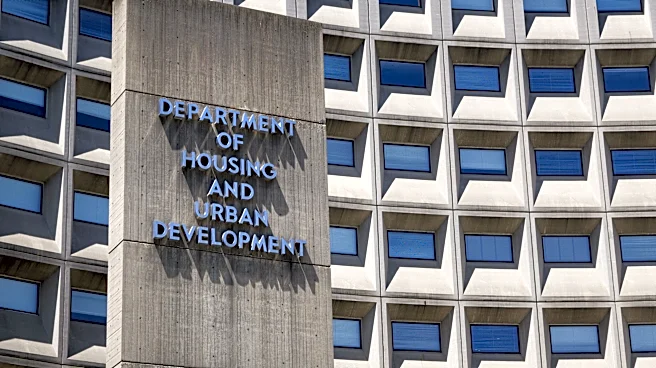
The U.S. Department of Housing and Urban Development (HUD) has announced new safeguards to prevent individuals with delinquent child support obligations from obtaining Federal Housing Administration (FHA)-insured mortgages if they are ineligible under
federal law. According to HUD Secretary Scott Turner, the new automated screening process will connect HUD's FHA Connection technology directly to the U.S. Department of the Treasury’s Do Not Pay Portal. This integration will allow lenders to automatically screen applicants for eligibility, identifying those with unresolved child support obligations that disqualify them from federally backed mortgage assistance. Federal law prohibits individuals with delinquent federal non-tax debt or those subject to federal administrative offsets due to overdue child support from receiving federal financial assistance, including FHA-insured mortgages. The new system aims to strengthen safeguards, prevent improper payments, and hold individuals accountable, aligning with the Trump Administration's focus on enforcing existing laws. Applicants found ineligible due to delinquent child support will remain so until their obligations are resolved. The new screening process is scheduled to take effect on March 18, 2027, and HUD states it will not require lenders to collect additional information or register for new systems. It is important to note that the restrictions apply only to borrowers who meet the federal criteria for disqualification, not every individual who owes child support.
Why It's Important?
This new policy is significant as it reinforces federal regulations designed to ensure that individuals receiving taxpayer-backed financial assistance, such as FHA-insured mortgages, are compliant with other federal obligations, specifically child support payments. By automating the screening process, HUD aims to create a more efficient and robust system for identifying ineligible applicants, thereby reducing the potential for improper payments and misuse of federal funds. The move reflects a broader administrative effort to enhance accountability and enforce existing laws, potentially impacting a segment of the population seeking homeownership through FHA loans. For taxpayers, the measure is presented as a way to protect federal resources by ensuring that those with outstanding financial responsibilities to their families are held accountable before receiving additional federal benefits. Lenders will benefit from a streamlined, automated process for compliance, reducing manual review burdens. However, individuals with delinquent child support will face a new hurdle in accessing FHA mortgages, potentially delaying or preventing their homeownership aspirations until their financial obligations are met. The policy underscores the government's stance on prioritizing family financial responsibilities in the context of federal aid.
What's Next?
The new automated screening process for FHA mortgage applicants is set to become effective on March 18, 2027. Leading up to this date, HUD will likely engage in outreach and provide guidance to lenders regarding the implementation of the new system and its integration with the U.S. Department of the Treasury’s Do Not Pay Portal. Lenders will need to ensure their internal processes are aligned with the automated screening to avoid disruptions in mortgage application processing. Applicants with delinquent child support obligations will need to resolve these issues before applying for FHA-insured mortgages to avoid automatic disqualification. This could lead to an increase in efforts by individuals to settle outstanding child support debts. There may also be discussions among housing advocacy groups regarding the potential impact on certain demographics, though HUD emphasizes that the policy is an enforcement of existing federal law. The effectiveness of the new system in preventing improper payments and its impact on FHA mortgage approval rates will likely be monitored by HUD and other stakeholders post-implementation.