








What's Happening?
In recent years, higher-income households have been driving increased demand for rental properties, according to Whitney Airgood-Obrycki from the Harvard Joint Center for Housing Studies. This shift is attributed to the rising costs of homeownership,
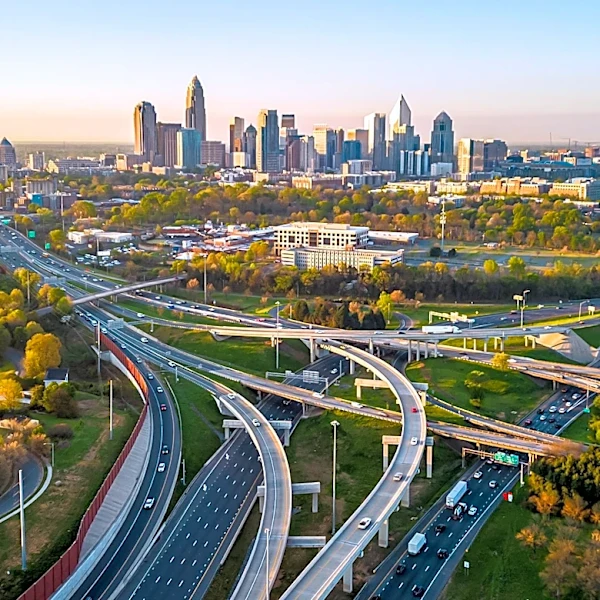
which have made buying a home financially unattainable for many. As a result, there is a growing demand for rental properties that offer premium amenities and cater to evolving lifestyle needs. The rental market now offers a variety of options, from downtown apartments to suburban homes with yards, reflecting changing cultural norms and economic realities.
Why It's Important?
The growing preference for renting over buying has significant implications for the housing market and broader economy. As more people choose to rent, there is increased pressure on the rental market, potentially leading to higher rents and a need for more rental housing development. This trend also impacts financial planning for individuals, as renting can offer more flexibility and lower financial risk compared to homeownership. For the real estate industry, this shift may lead to changes in investment strategies, with a greater focus on developing rental properties to meet demand.
What's Next?
As the trend towards renting continues, it may prompt changes in housing policy and urban planning. Policymakers might need to address the growing demand for rental housing and ensure that affordable options are available. The real estate market could see a shift in focus towards rental property development, and financial institutions may need to adapt their offerings to cater to renters. For individuals, the decision to rent or buy will remain a personal choice influenced by financial circumstances, lifestyle preferences, and market conditions.