






What's Happening?
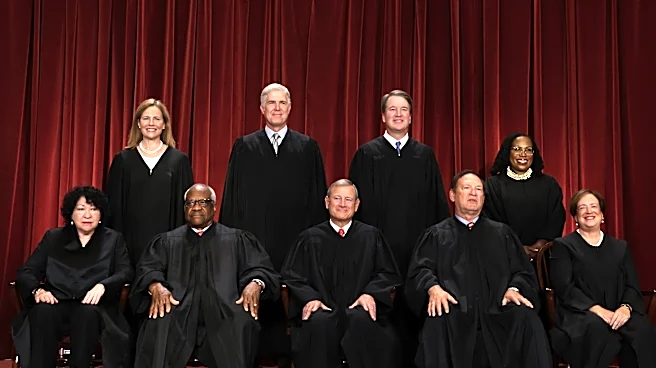
The Federal Energy Regulatory Commission (FERC) has decided to exclude a separate cumulative impact review from its environmental analysis, a move that has raised questions among energy attorneys. This decision is based on a recent Supreme Court ruling
and the rescission of federal regulations, which FERC interprets as not requiring the consideration of cumulative effects under the National Environmental Policy Act (NEPA). FERC Chairman Laura Swett stated that the changes aim to streamline gas permitting and bolster investor confidence. However, some legal experts argue that this could lead to legal challenges, as the cumulative impact review is crucial for assessing the environmental effects of projects over time. The decision has sparked debate over whether FERC is fulfilling its legal obligations under NEPA.
Why It's Important?
The exclusion of cumulative impact reviews could have significant implications for environmental oversight and infrastructure development in the U.S. By potentially reducing the scope of environmental assessments, FERC's decision may expedite the approval process for energy projects, which could benefit the energy sector by reducing costs and delays. However, this move also raises concerns about the potential environmental and community impacts of such projects, as cumulative effects are crucial for understanding long-term environmental consequences. Legal challenges could arise, potentially delaying projects and increasing litigation costs. The decision reflects broader tensions between regulatory efficiency and environmental protection, with implications for policy and legal frameworks governing energy infrastructure.
What's Next?
The decision may lead to increased litigation as stakeholders challenge individual project approvals based on the lack of cumulative impact assessments. Legal experts suggest that lawsuits could be filed under NEPA, the Administrative Procedure Act, or the Natural Gas Act. FERC's approach will likely be scrutinized in court, potentially influencing future regulatory practices and interpretations of environmental laws. Stakeholders, including environmental groups and affected communities, may push for legislative or regulatory changes to ensure comprehensive environmental reviews. The outcome of these legal challenges could shape the balance between infrastructure development and environmental protection in the U.S.