
What's Happening?
The Seattle City Council failed to override Mayor Katie Wilson's veto of legislation that would have prohibited recreational vehicles (RVs) from parking overnight in the city. The proposed ban, sponsored by Dan Strauss, fell short of the required six-vote
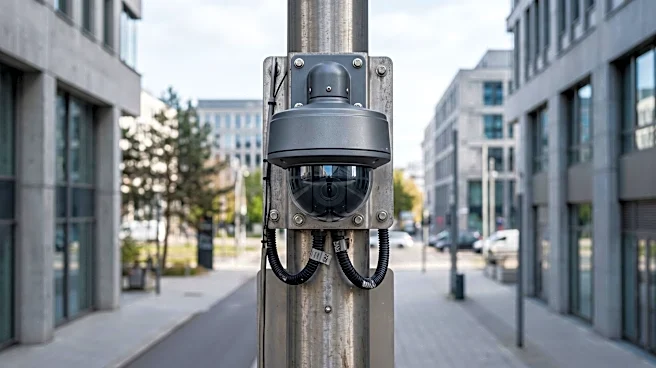
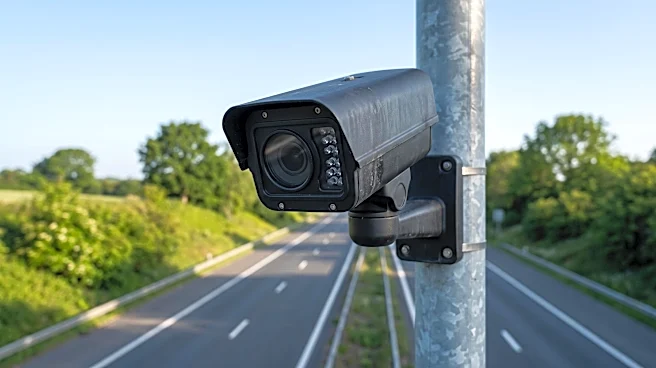
supermajority, with a 5-4 vote. This outcome was largely anticipated after Councilmember Rob Saka's defection last week. Supporters of the ban used the council meeting to express their disapproval of the mayor's decision. Concurrently, Mayor Wilson announced plans to expand the city's police surveillance system, reactivating cameras in the stadium district and installing new ones in the Central District and on Capitol Hill. This move follows an audit of the Real Time Crime Center, which made 19 recommendations to address program shortcomings, though the mayor expressed confidence in the system's ability to aid crime response and protection against misuse.
Why It's Important?
The failure to override the RV ban veto highlights a significant division within Seattle's city government regarding approaches to homelessness and urban planning. The mayor's stance, which allows RVs to park overnight, suggests a prioritization of accommodating vulnerable populations, potentially in contrast to concerns about public space and safety raised by ban proponents. This decision could influence future policy debates on homelessness and urban development in Seattle. The expansion of police surveillance, despite an audit acknowledging 'shortcomings' and the police department's past failures to implement recommendations, raises concerns about privacy, civil liberties, and the potential for misuse of surveillance footage. This move could set a precedent for increased surveillance in other U.S. cities, impacting the balance between public safety and individual rights.
What's Next?
The immediate consequence of the failed veto override is that RVs will continue to be permitted to park overnight in Seattle, maintaining the current status quo regarding this aspect of homelessness. This may lead to continued debate and potential future legislative attempts to address RV parking. Regarding police surveillance, Mayor Wilson's plan to expand the system will proceed, with cameras being reactivated and installed in new areas. The effectiveness of the city's commitment to adopting the NYU report's recommendations for protecting footage from misuse will be closely watched, especially given the Seattle Police Department's past track record. This expansion could lead to increased public scrutiny and potential legal challenges from civil liberties advocates.
Beyond the Headlines
The ongoing debate over RV parking and homelessness in Seattle reflects a broader national challenge faced by many U.S. cities grappling with housing crises and visible homelessness. The city's approach to RVs touches upon complex issues of property rights, public health, and social equity. The expansion of police surveillance, even with stated intentions of public safety, delves into the ethical and legal complexities of data privacy and government oversight. The tension between security measures and individual freedoms is a recurring theme in modern society, and Seattle's actions could contribute to the national discourse on how technology is deployed in urban environments and its impact on community trust and civil liberties.