
What's Happening?
Meteorologists are predicting a severe winter storm that will affect the eastern two-thirds of the United States, driven by a stretched polar vortex. This weather system is expected to bring subzero temperatures,
heavy snow, and ice, potentially causing damage comparable to a major hurricane. The storm is anticipated to begin on Friday, stretching from New Mexico to New England and across the Deep South. Approximately 230 million people could experience temperatures of 20 degrees Fahrenheit or colder, with 150 million facing snow and ice. The polar vortex, typically confined to northern Canada and Alaska, is being elongated due to warm Arctic waters and cold continental land, a phenomenon linked to climate change. This setup is expected to result in long-lasting cold conditions, with temperatures in some areas dropping to minus 25 or 30 degrees Fahrenheit.
Why It's Important?
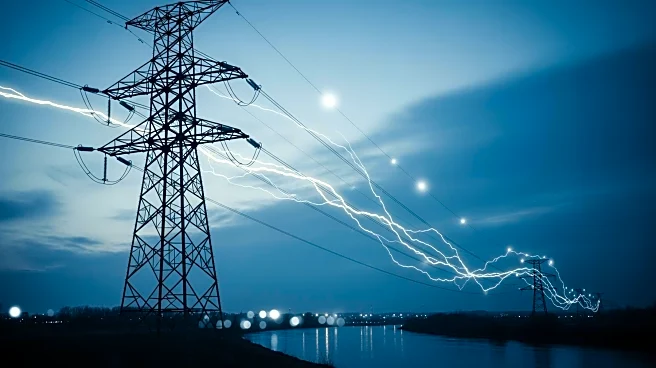
The impending winter storm poses significant risks to public safety and infrastructure across a large portion of the United States. The combination of extreme cold, snow, and ice could lead to widespread power outages, transportation disruptions, and damage to property. The storm's severity highlights the broader impacts of climate change, as warmer Arctic temperatures contribute to more frequent and intense polar vortex disruptions. This event underscores the need for preparedness and resilience in the face of increasingly volatile weather patterns. Communities, especially those in the storm's path, must brace for potential emergencies, while policymakers may need to consider long-term strategies to mitigate the effects of climate change on weather systems.
What's Next?
As the storm approaches, emergency services and local governments are likely to issue warnings and advisories to help residents prepare. The National Weather Service will continue to monitor the situation, providing updates on the storm's trajectory and intensity. In the aftermath, there may be a need for recovery efforts, including restoring power and clearing roads. The event could also prompt discussions among policymakers and scientists about the role of climate change in altering weather patterns and the necessary steps to address these challenges. Additionally, the storm's impact on infrastructure and communities may lead to increased calls for investment in climate resilience and adaptation measures.