
What's Happening?
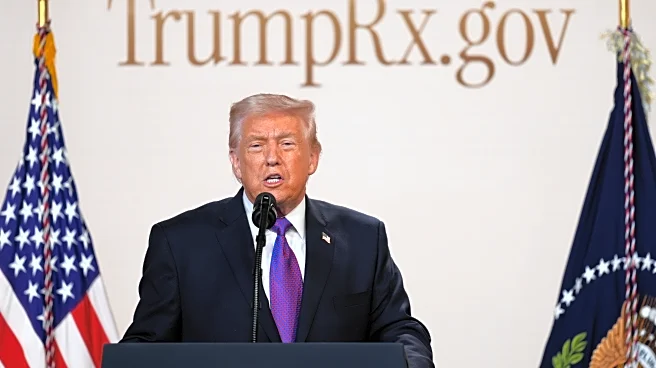
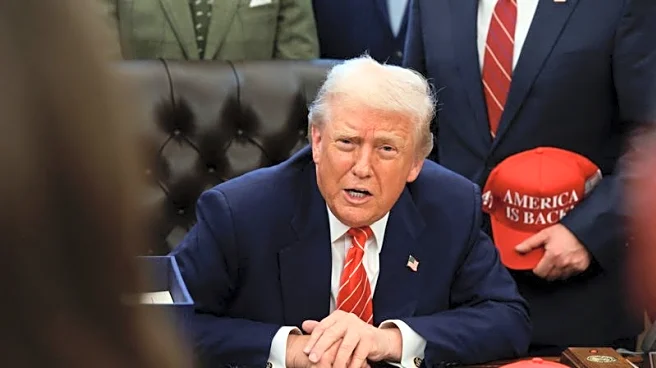
President Trump has introduced a series of tax reforms under the 'One Big Beautiful Bill Act,' which are set to take effect in 2026. These reforms include significant tax breaks aimed at increasing consumer
spending and stimulating economic growth. The changes are expected to increase average after-tax pay by 5.4%, with the most substantial benefits for upper-middle-income workers. Key provisions include an increase in the state and local tax cap, elimination of taxes on tips and overtime, and additional deductions for seniors. The reforms are part of Trump's strategy to bolster the economy ahead of the November midterm elections.
Why It's Important?
The tax reforms are designed to enhance consumer spending, which accounts for a significant portion of the U.S. GDP. By increasing disposable income, the reforms could lead to higher spending on goods and services, potentially boosting economic growth. The changes also aim to address affordability issues, a key concern for many Americans. However, the reforms come at a politically sensitive time, as President Trump faces potential challenges in the upcoming elections. The success of these tax changes could influence public perception and political outcomes.
What's Next?
As the tax reforms take effect, their impact on the economy and public opinion will be closely monitored. The changes could play a crucial role in the midterm elections, affecting the balance of power in Congress. Additionally, the reforms may face scrutiny and potential challenges from political opponents, particularly if they are perceived as disproportionately benefiting certain income groups. The administration will need to navigate these challenges while ensuring the reforms achieve their intended economic benefits.