




What's Happening?
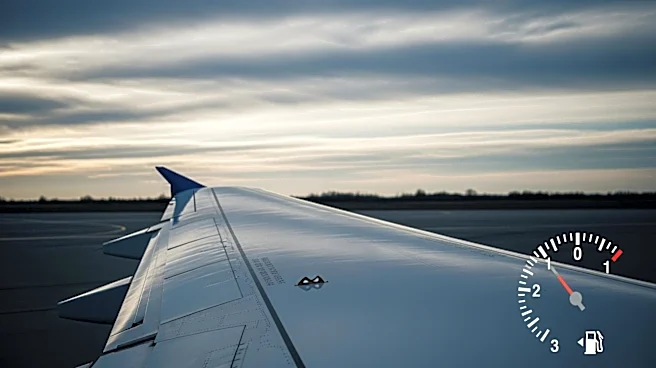
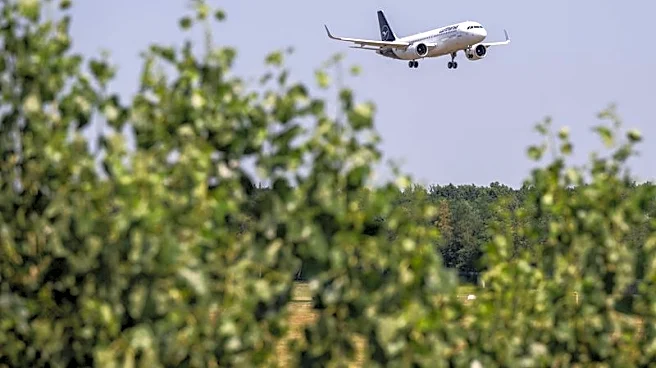
Lufthansa, a major German airline, has announced the cancellation of 20,000 short-haul flights through October due to a significant jet fuel shortage caused by the ongoing conflict between the United States and Iran. The conflict has disrupted the Strait
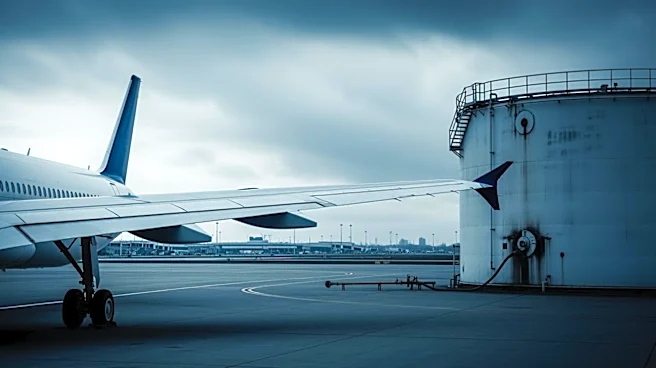
of Hormuz, a critical shipping route for global oil supplies, leading to a sharp increase in jet fuel prices. Lufthansa plans to focus on flights to and from its hub airports in Frankfurt and Munich, aiming to save approximately 40,000 tonnes of jet fuel. The airline has also grounded 27 planes in its CityLine subsidiary earlier than planned. The price of jet fuel has more than doubled in certain markets since the conflict began, severely impacting European aviation companies that rely heavily on Middle Eastern imports.
Why It's Important?
The reduction in flights by Lufthansa highlights the broader impact of geopolitical tensions on global industries, particularly aviation. The increased cost of jet fuel, a major expense for airlines, is likely to lead to higher travel costs for consumers, including increased baggage fees and fuel surcharges. The situation underscores the vulnerability of European energy supplies, as 75% of Europe's jet fuel imports come from the Middle East. The International Energy Agency has warned that Europe could face severe flight disruptions if the fuel shortage persists. This crisis could have long-term economic implications, affecting travel, tourism, and related industries across Europe and potentially influencing global oil markets.
What's Next?
Lufthansa is taking measures to stabilize its fuel supply for the summer, including securing physical procurement of jet fuel. The European Union is closely monitoring the situation, with energy officials warning that the crisis could affect prices for months or even years. The EU is considering emergency measures to manage the fuel shortage, including centralized monitoring of fuel imports and coordination of energy reserves. The ongoing conflict and its impact on oil supplies will likely continue to be a significant concern for European governments and industries, with potential for further disruptions if the situation does not improve.