







What's Happening?
New research published in the Journal of Science and Medicine in Sport, co-authored by performance scientist Robin Thorpe, PhD, a Therabody Scientific Advisory Board member, demonstrates that physical and psychological recovery are interdependent processes.
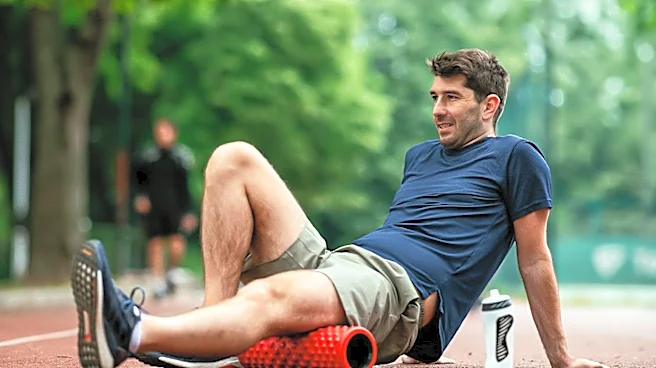
This concept, termed psychophysiological recovery, suggests that mental stress, mood, and cognitive fatigue interact with physiological responses, collectively shaping an athlete's overall recovery and readiness to perform. The study emphasizes that recovery is not solely physical, and strategies should address both mind and body. Examples include breathwork, which can produce physiological changes like reduced heart rate, and physical therapies like percussive massage or compression, which can influence mental states by reducing soreness and tension.
Why It's Important?
This research from Therabody is significant for the U.S. sports and wellness industries as it redefines the understanding of athlete recovery. By highlighting the psychophysiological interdependence, it encourages a more holistic approach to training and recovery protocols. This perspective can lead to the development of integrated recovery strategies that combine mental and physical techniques, potentially improving athlete performance, reducing injury risk, and enhancing overall well-being. For companies like Therabody, this research validates their product development, emphasizing tools that support both physical and mental aspects of recovery. It also informs coaches, trainers, and athletes about the critical role of psychological factors in recovery, potentially shifting training methodologies and resource allocation in sports programs nationwide.
What's Next?
The findings are likely to influence the design and marketing of future recovery products and services in the U.S. We can expect to see more recovery tools that explicitly target both physical and mental states, possibly through biofeedback, guided meditation, or integrated sensory experiences. Educational programs for athletes and coaches may also incorporate psychophysiological recovery principles, emphasizing practices like intentional breathing and mindfulness alongside physical therapies. This research could also spur further studies into the specific mechanisms and optimal combinations of physical and mental recovery interventions, leading to more personalized and effective recovery plans across various sports and fitness levels.
Beyond the Headlines
The concept of psychophysiological recovery extends beyond elite athletes, offering valuable insights for general wellness and stress management in the broader U.S. population. In an increasingly high-stress society, understanding how mental states impact physical recovery and vice versa can inform daily routines and health practices. This research underscores the importance of addressing mental fatigue and emotional stress as integral components of overall health, not just physical exertion. It suggests that simple practices like mindful breathing or using physical comfort tools can have profound effects on both mind and body, promoting a more integrated approach to health and well-being in everyday life.