






What's Happening?
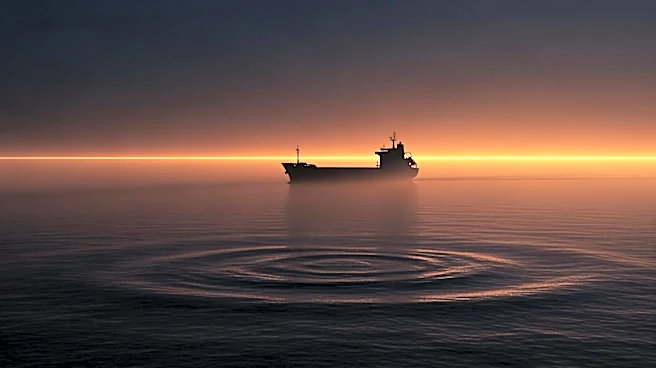
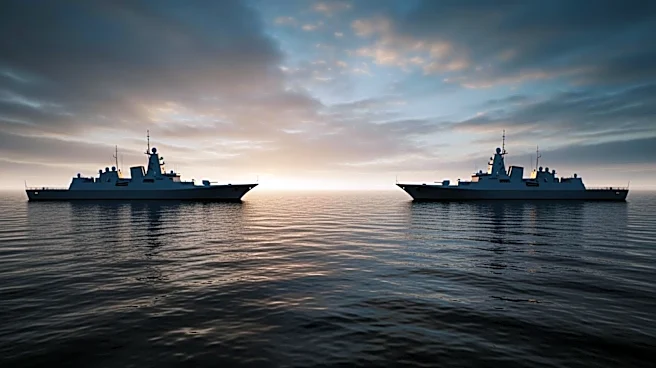
Rodolphe Saade, Chairman and CEO of CMA CGM, the world's third-largest container line, has cautioned against assuming that the Strait of Hormuz will return to its pre-war state following the Iran conflict. The strait, a critical waterway for global oil
and LNG supply, has been virtually closed due to the conflict, stranding vessels and disrupting shipping routes. Saade emphasized the need for alternative routes and warned of potential future crises, highlighting the geopolitical instability in the region.
Why It's Important?
The situation in the Strait of Hormuz has significant implications for global trade and energy supply, as it is a major conduit for oil and LNG. The disruption has forced shipping companies like CMA CGM to seek alternative routes, incurring additional costs and logistical challenges. This highlights the vulnerability of global supply chains to geopolitical tensions and the need for strategic planning to mitigate risks. The ongoing instability could lead to increased shipping costs and impact global energy markets.
What's Next?
CMA CGM and other shipping companies are likely to continue exploring alternative routes to bypass the Strait of Hormuz, potentially leading to long-term changes in shipping patterns. The geopolitical situation in the region remains volatile, and any resolution to the conflict may not guarantee stability. Stakeholders in the shipping and energy industries will need to closely monitor developments and adapt their strategies accordingly. The situation may also prompt discussions on international maritime security and the need for collaborative efforts to ensure safe passage through critical waterways.