




What's Happening?
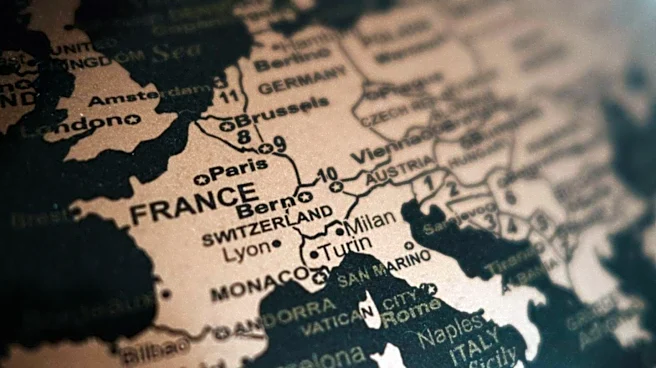
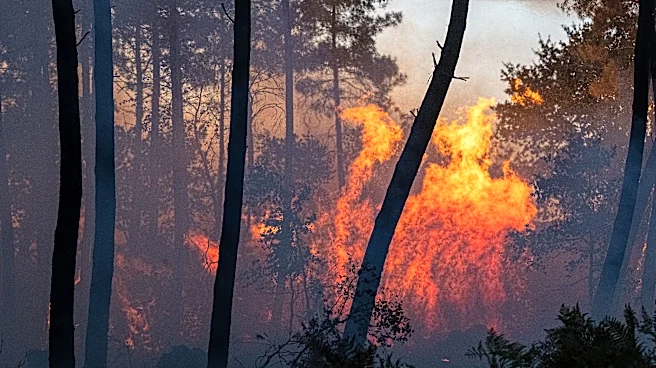
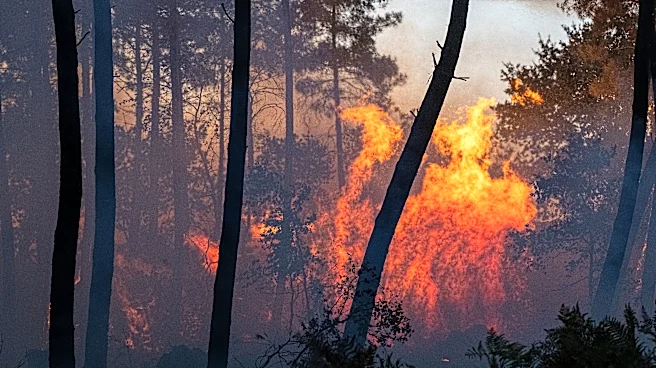
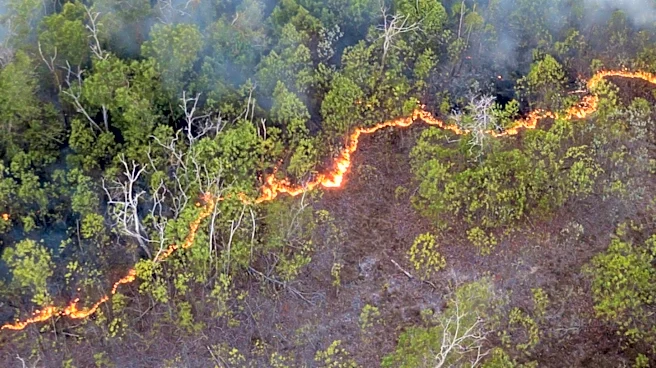
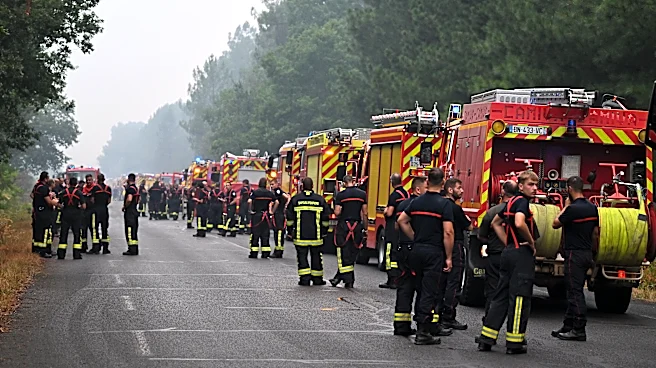
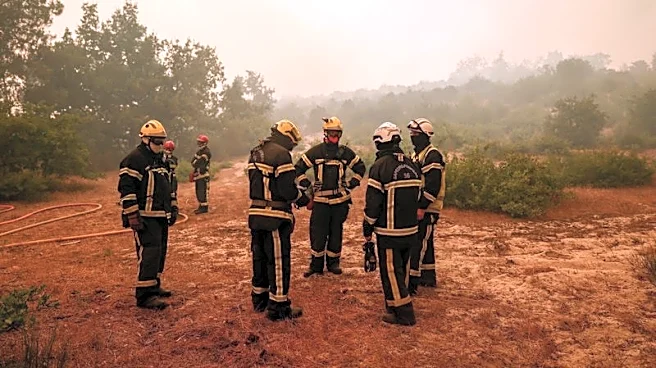
Europe is currently experiencing a surge in wildfires, with Spain and France facing significant challenges as major blazes force mass evacuations. In Spain, a national emergency was declared as fires near Madrid led to the evacuation of 10,000 people.
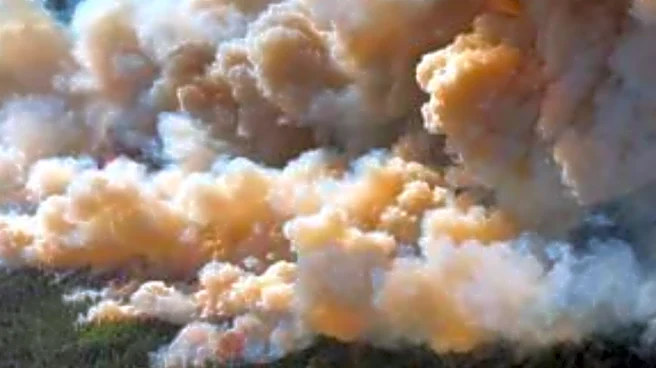
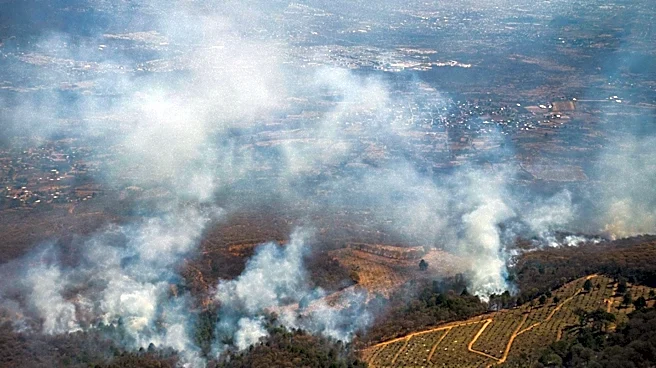
Similarly, in southern France, approximately 63,000 people have been evacuated due to multiple fires that have destroyed around 80 homes. The World Health Organization (WHO) has highlighted the health risks associated with wildfire smoke, which can exacerbate heart and respiratory conditions. The organization is working with countries to develop guidance to protect people from smoke and extreme heat.
Why It's Important?
The wildfires in Europe are a stark reminder of the increasing frequency and intensity of such events, largely attributed to climate change. These fires not only pose immediate threats to life and property but also have long-term health implications due to smoke exposure. The situation underscores the urgent need for effective climate action and disaster preparedness. The economic impact is also significant, as wildfires strain emergency services and disrupt local economies. The international community is likely to focus on enhancing cooperation and resource sharing to better manage and mitigate the effects of such disasters.
What's Next?
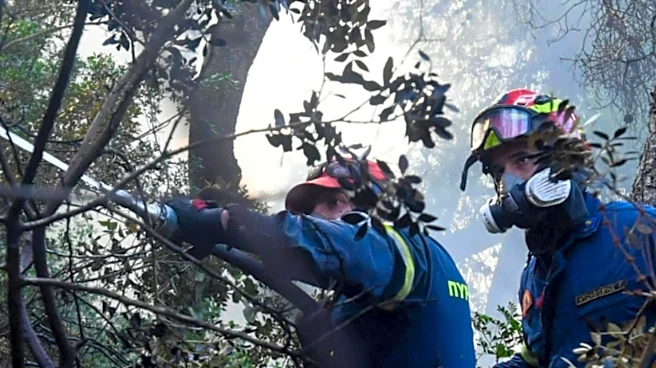
As the fires continue to burn, authorities in Spain and France are prioritizing evacuation and containment efforts. The WHO and other international bodies are expected to provide ongoing support and guidance. In the longer term, there may be increased investment in fire prevention and management strategies, as well as initiatives to address the root causes of climate change. The situation may also prompt discussions on policy changes and international cooperation to enhance resilience against future wildfires.