






What's Happening?
Oil prices have surged to their highest levels in nearly two months due to escalating tensions in the Iran war, which threaten global energy supplies. Brent crude oil closed at $100.69 per barrel, marking a significant increase. The rise in prices follows
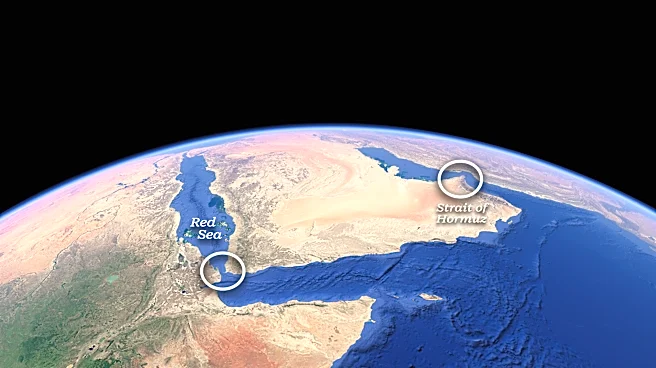
attacks by Tehran-backed Houthi rebels on Saudi oil tankers, expanding the conflict beyond the Strait of Hormuz. Concurrently, the U.S. Congress is divided over the continuation of the Iran war, with the House passing a nonbinding proposal to end it, while the Senate rejected a similar resolution. The political maneuvering reflects broader concerns about the war's impact and the role of Congress in authorizing military actions.
Why It's Important?
The surge in oil prices highlights the vulnerability of global energy markets to geopolitical conflicts, particularly in regions critical to oil supply. The situation underscores the interconnectedness of international politics and economic stability, with potential repercussions for global markets and consumer prices. The congressional split on the Iran war also raises questions about the balance of power between the executive and legislative branches in military engagements. The decisions made could influence U.S. foreign policy and its approach to international conflicts, impacting diplomatic relations and economic strategies.
What's Next?
As the situation develops, there may be increased diplomatic efforts to de-escalate tensions and stabilize oil markets. The U.S. Congress may face pressure to revisit the authorization of military actions, potentially leading to legislative changes. The ongoing conflict could prompt discussions on energy independence and the diversification of energy sources to mitigate the impact of geopolitical disruptions. Additionally, the international community may seek to mediate and resolve the conflict to prevent further economic and political instability.