
What's Happening?
Recent data indicates that global warming is advancing at a rapid pace, with current temperatures approximately 1.3°C above pre-industrial levels. Experts predict that 2026 could be one of the warmest
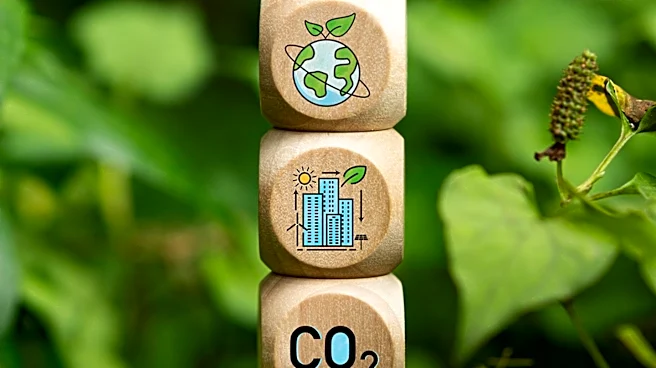
years on record, influenced by a strong El Niño event. The world is expected to surpass the Paris Agreement's goal of limiting warming to 1.5°C within a few years, leading to significant economic and environmental impacts. Efforts to reduce emissions are crucial, but adaptation to the changing climate is becoming increasingly urgent. Developments such as Amazon's new data center in Texas highlight the challenges of balancing technological growth with environmental sustainability.
Why It's Important?
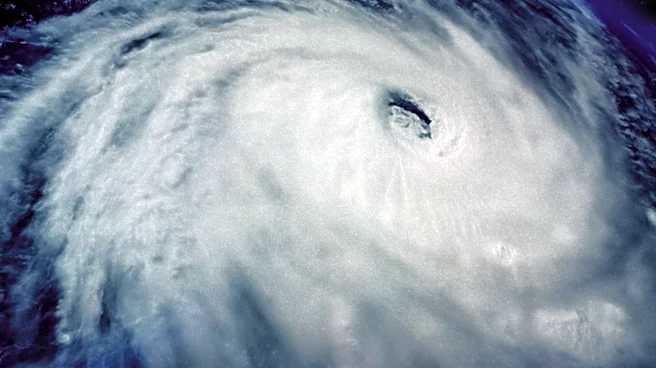
The acceleration of global warming poses a significant threat to global ecosystems and economies. The potential surpassing of the 1.5°C threshold could lead to severe weather events, impacting agriculture, infrastructure, and human health. The economic costs associated with climate change, such as disaster recovery and adaptation measures, are expected to rise. This situation underscores the urgent need for comprehensive climate policies and international cooperation to mitigate the effects of climate change and transition to sustainable energy sources.
What's Next?
Countries are likely to face increased pressure to implement more aggressive climate policies and invest in renewable energy. The international community may need to enhance cooperation to address the global impacts of climate change. Businesses and governments will have to balance economic growth with environmental sustainability, potentially leading to innovations in green technology and infrastructure. Public awareness and advocacy for climate action are expected to grow as the impacts of climate change become more apparent.
Beyond the Headlines
The ethical implications of climate change include the responsibility of developed nations to support developing countries in their adaptation efforts. Legal challenges may arise as communities affected by climate change seek accountability from major polluters. Culturally, there may be shifts in public perception and behavior towards more sustainable practices. Long-term, the transition to a low-carbon economy could redefine global economic structures and power dynamics.