




What's Happening?
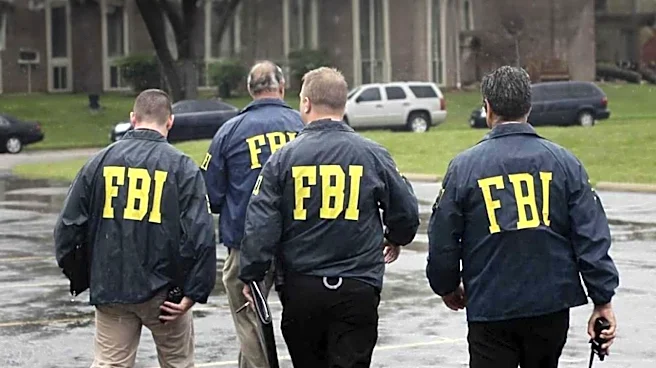
The Evansville Fall Festival is implementing a comprehensive security plan involving the Evansville Police Department (EPD), the Vanderburgh County Sheriff’s Office, and federal partners. This year's security measures include a visible presence of uniformed
officers, as well as plainclothes officers integrated within the crowd. A dedicated command center will oversee operations to ensure public safety. EPD Sgt. Anthony Aussieker stated that the planning for these security protocols has been ongoing for months, involving tabletop exercises and collaboration among various agencies to anticipate and address all potential scenarios. The festival, a significant community event, is expected to draw large crowds, making these enhanced security efforts crucial for maintaining a safe environment for attendees. Authorities are also reminding attendees about specific rules, such as allowing only service animals, prohibiting glass containers and drones, and requiring bikes and scooters to be walked. Additionally, advice for parents includes taking photos of their children for easier reunification if separated, with a designated reunification point at the sheriff's booth.
Why It's Important?
The heightened security at the Evansville Fall Festival underscores a growing trend in public event management, reflecting increased concerns over safety and security in large gatherings. The deployment of both uniformed and plainclothes officers aims to provide a dual layer of protection: visible deterrence and covert surveillance, which can be effective in identifying and neutralizing threats before they escalate. This approach is vital for maintaining public confidence in attending large-scale community events, which are often targets for various incidents. The involvement of federal partners alongside local law enforcement highlights a coordinated effort to leverage broader resources and intelligence, setting a precedent for how major public events might be secured in the future. For the community, this means a safer environment, but it also signifies an adaptation to contemporary security challenges, potentially influencing how other cities plan and execute their own festivals and public events. The emphasis on pre-planning and inter-agency cooperation is a critical component of modern security strategies, aiming to mitigate risks and ensure the well-being of thousands of attendees.
What's Next?
As the Evansville Fall Festival progresses, the effectiveness of the implemented security measures will be continuously monitored. Law enforcement agencies will likely conduct post-event assessments to evaluate the success of their strategies and identify areas for improvement. This feedback loop is crucial for refining future security plans for similar large-scale events. The public's perception of safety and the overall incident rate during the festival will be key indicators of the plan's success. Should the current approach prove highly effective, it could serve as a model for other cities and event organizers looking to enhance security without overtly disrupting the festive atmosphere. Conversely, any unforeseen challenges could lead to adjustments in tactics for subsequent events. The ongoing collaboration between local and federal agencies is expected to continue, fostering a more integrated approach to public safety. Furthermore, public awareness campaigns regarding safety guidelines, such as those for children's reunification and prohibited items, will likely be reinforced in future events to ensure maximum compliance and safety.
Beyond the Headlines
The deployment of plainclothes officers at public events, while enhancing security, also raises subtle implications regarding public trust and civil liberties. While their presence is intended to deter crime and respond swiftly to threats, it can also lead to situations where citizens might feel under constant surveillance or mistake law enforcement for ordinary citizens, as highlighted in other contexts where plainclothes officers have been involved in incidents. The balance between overt security and maintaining a sense of normalcy and freedom for attendees is a delicate one. This strategy reflects a broader societal shift towards more pervasive security measures in response to evolving threats, potentially normalizing a less visible but ever-present law enforcement presence in public spaces. The success of such measures hinges not only on preventing incidents but also on transparent communication with the public about their purpose and limitations, ensuring that security enhancements do not inadvertently erode community trust or create an atmosphere of unease. The long-term impact could be a redefinition of public space, where security is an inherent, albeit sometimes unseen, component of large gatherings.