






What's Happening?
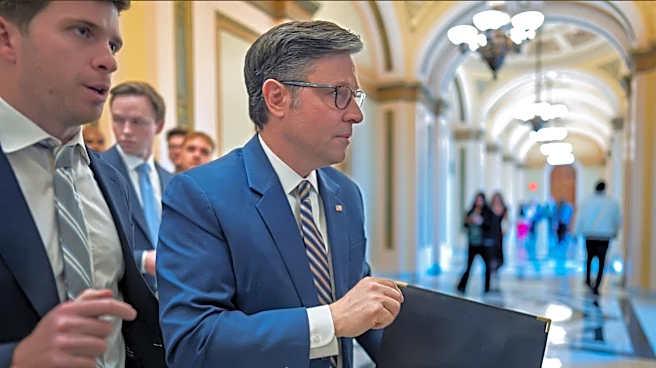
Iraqi Prime Minister Ali al-Zaïdi concluded his first official visit to the United States, resulting in the signing of approximately 50 economic agreements and partnerships. These agreements, valued at over $60 billion, aim to transform the historically
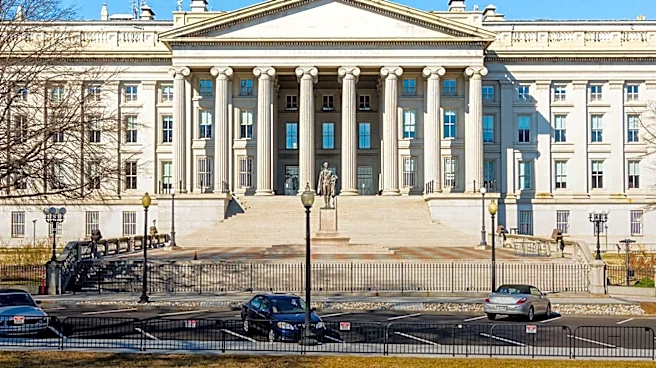
security-focused relationship between the two nations into one centered on economic collaboration. Key areas of investment include energy, with a focus on enabling Iraq to produce its own gas, reducing its dependency on Iranian imports. The U.S. Treasury has also reached an agreement with Iraq's central bank to integrate some Iraqi banks into the international banking system.
Why It's Important?
The shift towards economic cooperation marks a significant change in U.S.-Iraq relations, potentially stabilizing Iraq's economy and reducing its reliance on neighboring Iran. This strategic realignment could enhance Iraq's economic independence and foster regional stability. The agreements also reflect a broader U.S. strategy to strengthen economic ties with Middle Eastern countries, potentially countering Iranian influence. However, the success of these initiatives depends on Iraq's ability to meet conditions such as disarming armed factions, which poses a significant challenge for the Iraqi government.
What's Next?
Iraq will need to implement the agreements and meet the conditions set by the U.S., including the disarmament of armed factions by September 30. Prime Minister al-Zaïdi faces the challenge of balancing these demands with domestic political pressures. The upcoming visit to Tehran will be crucial in navigating Iraq's regional relationships. The effectiveness of these economic partnerships will be closely monitored, as they could serve as a model for U.S. engagement in the region.