
What's Happening?
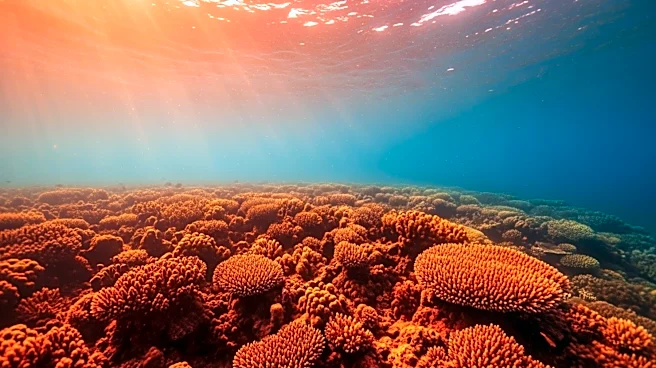
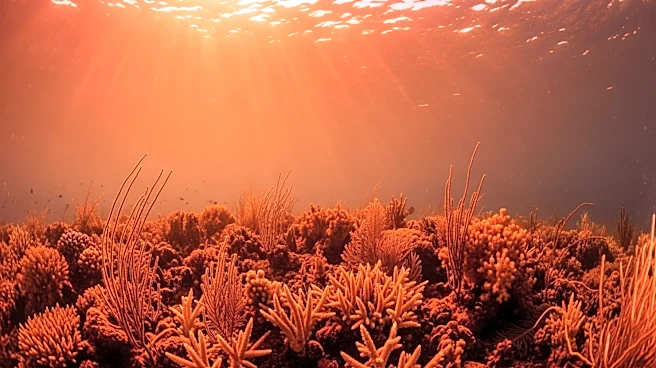
A significant marine heat wave is affecting the Pacific Ocean off the coast of California, with experts warning of potential long-term impacts on coastal weather and marine ecosystems. The heat wave, which
began forming late last year, has intensified, breaking over 25 daily temperature records at the Scripps Pier in La Jolla. The surface water temperature recently reached 68.5 degrees, significantly above the average for this time of year. This phenomenon spans from San Francisco to the Mexican border, indicating its persistence and potential consequences for Southern California. Factors contributing to this heat wave include a persistent high-pressure ridge over Southern California and weaker coastal winds, which typically promote upwelling of cooler waters. Human-induced climate change is also a significant factor, as it requires more energy to heat ocean water than air. The presence of El Niño could further exacerbate the situation, with predictions of its emergence and persistence through the year.
Why It's Important?
The marine heat wave poses a serious threat to marine ecosystems, potentially leading to mass die-offs of marine life, fishery disasters, and harmful algal blooms. Such disruptions could have cascading effects on the fishing industry and local economies dependent on marine resources. Additionally, the heat wave could alter coastal weather patterns, reducing the typical 'May gray' and 'June gloom' conditions, leading to more humid and muggy weather. This change could have health implications for residents accustomed to dry heat. The warm ocean waters also increase the likelihood of hurricanes and tropical storms forming off the coast of Mexico, which could impact California. The situation underscores the broader impacts of climate change on oceanic and atmospheric systems, highlighting the need for adaptive strategies in coastal management and climate policy.
What's Next?
The continuation of the marine heat wave is likely, with models predicting its persistence off the coast of Baja through December. The development of El Niño could further intensify the heat wave, leading to prolonged impacts on marine and coastal environments. Stakeholders, including environmental agencies and local governments, may need to prepare for potential ecological and economic disruptions. Monitoring and research efforts will be crucial in understanding the full extent of the heat wave's impact and developing mitigation strategies. Public awareness campaigns may also be necessary to inform residents of potential weather changes and health risks associated with increased humidity and warmer temperatures.