






What's Happening?
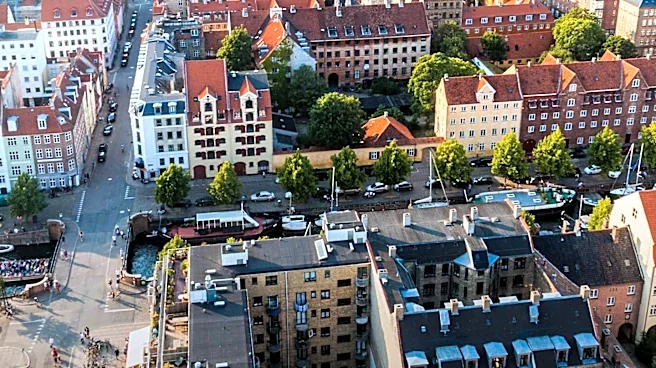
Copenhagen, Denmark, is highlighted as a city that successfully combines historical landmarks with contemporary attractions, providing a diverse experience for visitors. The city encourages exploration of its various neighborhoods, offering a balance
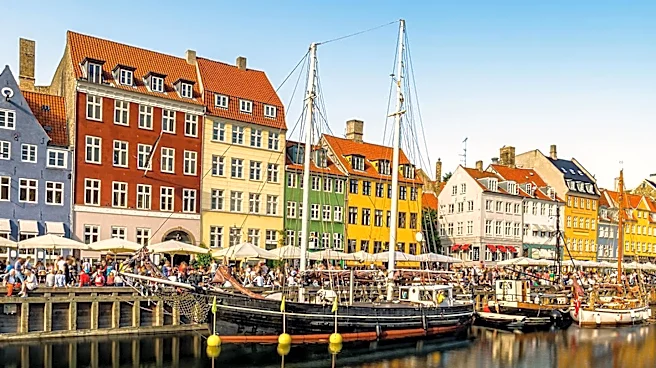
between iconic sights and local daily life. Key historical sites include Rosenborg Castle and the Nyhavn harbor, which showcase Denmark's rich cultural heritage. Beyond historical exploration, Copenhagen is recognized for its modern design scene and commitment to sustainability, evidenced by readily available free drinking water fountains and efficient public transportation. The city's diverse areas allow travelers to experience different moods and settings within a single trip, catering to various interests from food lovers to those seeking leisurely walks.
Why It's Important?
The appeal of Copenhagen as a tourist destination is significant for the global tourism industry, particularly for European travel. Its ability to offer a blend of historical depth and modern appeal attracts a wide range of international visitors, contributing to the economic vitality of the city through tourism revenue. The emphasis on sustainability and efficient public transport also sets a precedent for urban tourism, aligning with growing traveler preferences for environmentally conscious destinations. This approach can influence other cities to adopt similar strategies, promoting responsible tourism and enhancing the overall visitor experience by integrating local rhythms and everyday life into travel itineraries. The city's success demonstrates how cultural preservation can coexist with modern development.
What's Next?
As Copenhagen continues to promote its unique blend of attractions, it is likely to see sustained growth in its tourism sector. Future developments may include further enhancements to its sustainable infrastructure and the introduction of more localized experiences to cater to travelers seeking authentic cultural immersion. The city may also continue to leverage its reputation for design and innovation to attract specific segments of tourists interested in these aspects. Other cities might look to Copenhagen's model for integrating historical sites with modern urban living and sustainable practices, potentially leading to increased competition in offering similar balanced tourist experiences. The focus will remain on providing flexible itineraries that accommodate diverse traveler preferences and energy levels.
Beyond the Headlines
Copenhagen's success in blending its historical identity with modern urban living offers deeper insights into urban planning and cultural preservation. The city demonstrates that economic development through tourism does not necessitate sacrificing historical integrity or environmental responsibility. Instead, these elements can be mutually reinforcing, creating a more authentic and appealing destination. This approach highlights a broader cultural shift in tourism, where travelers increasingly seek meaningful experiences that connect them with local life and sustainable practices, rather than just visiting isolated landmarks. The city's commitment to accessibility and diverse experiences also reflects an evolving understanding of inclusive tourism, making it a model for future urban development strategies worldwide.