





What's Happening?
Farmers in Ontario are calling on the federal government to halt the proposed Alto high-speed rail project, citing concerns over its potential impact on prime agricultural land. The Ontario Federation of Agriculture (OFA), along with other agricultural groups,
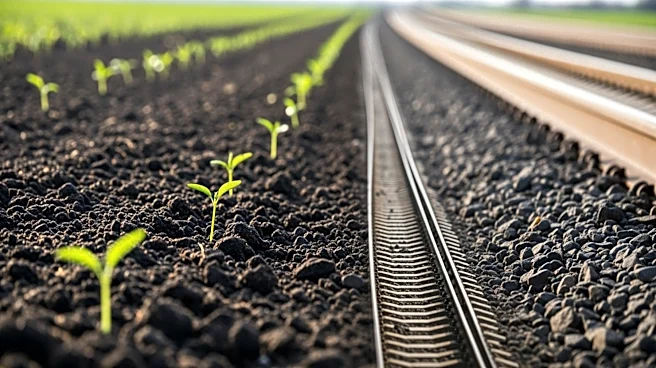
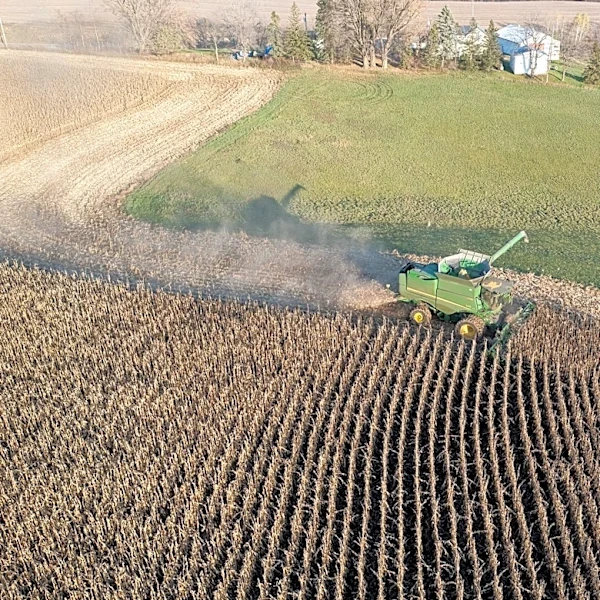
is advocating for a thorough economic, environmental, and agricultural assessment before any further progress. The proposed rail network aims to connect major cities such as Toronto, Ottawa, Montreal, and Quebec City. However, the exact route has not been finalized, leading to apprehensions about the permanent loss and fragmentation of farmland, as well as impacts on farm access, drainage systems, and safety. OFA President Drew Spoelstra emphasized the importance of protecting farmland, which is a limited resource crucial for food security and economic stability. Farmers are demanding clear answers and meaningful consultations with affected landowners and communities.
Why It's Important?
The proposed high-speed rail project poses significant implications for the agricultural sector in Ontario, a region known for its productive farmland. With only about five percent of Canada's land classified as prime agricultural land, the potential loss due to infrastructure development raises concerns about food security and economic priorities. The project could disrupt farming operations, affect local economies, and lead to long-term changes in land use. Farmers are advocating for their rights and the preservation of farmland, highlighting the need for balanced development that considers both infrastructure growth and agricultural sustainability. The outcome of this debate could set a precedent for how future infrastructure projects are evaluated and implemented in relation to agricultural interests.
What's Next?
If the project moves forward, the Ontario Federation of Agriculture is seeking assurances that the agricultural impacts will be minimized. This includes maintaining farm access, protecting drainage systems, and ensuring that independent agricultural assessments are made public. Additionally, they are calling for fair compensation for landowners affected by the project. The ongoing discussions and consultations will likely involve various stakeholders, including government officials, agricultural groups, and community members, to address the concerns raised and find a viable path forward that balances infrastructure development with farmland preservation.