


What's Happening?
U.S. Senator Marsha Blackburn secured the Republican nomination for Governor earlier this month, defeating 6th District Congressman John Rose by an 11-point margin. This victory, while substantial, was narrower than her initial 50-point lead. Throughout
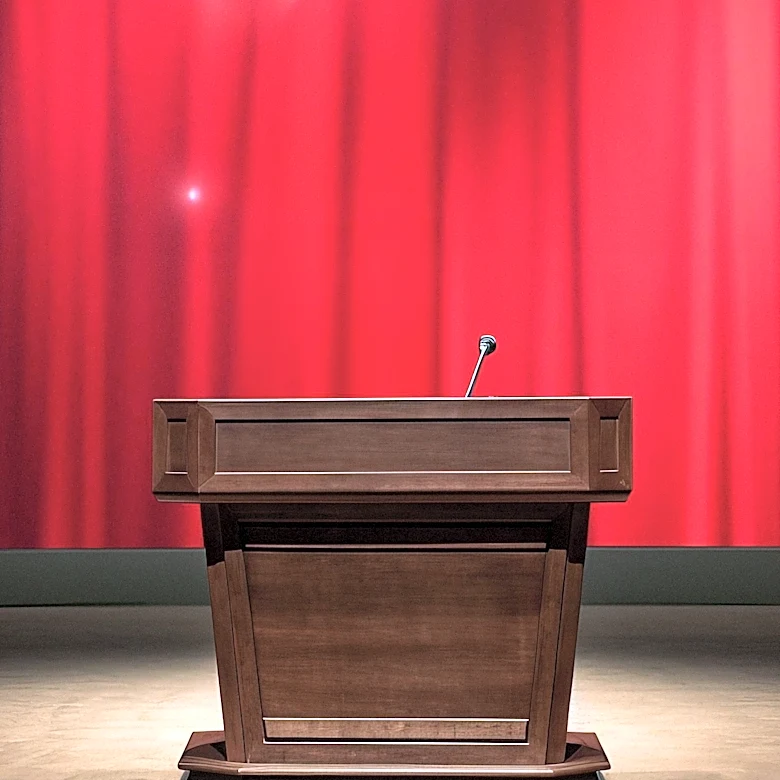
the primary, Senator Blackburn declined multiple invitations to debate her opponents, a strategy that political observers believe was aimed at avoiding giving her challengers a platform. Following her primary win, questions have resurfaced regarding whether she will engage in debates with her general election opponents. Democratic nominee Jerri Green of Memphis has expressed readiness to debate, as have leading Independent candidates Dave Hatley and Lauren Pinkston. Republican strategist Rick Williams and Democratic strategist Kenya McGruder both suggest that Blackburn may choose to avoid debates, believing she gains little from them and has sufficient momentum. However, Jasper Hendricks, a legislative assistant and policy advisor, speculates that Blackburn might lack the stamina or quick thinking for debates.
Why It's Important?
The decision by Senator Blackburn regarding debates is significant for the Tennessee gubernatorial race and could influence voter perception and engagement. Debates offer a crucial platform for candidates to articulate their policy positions, challenge opponents, and connect with voters directly. By potentially avoiding debates, Blackburn risks being perceived as unwilling to engage with critical issues or accountable to the electorate, which could energize her opponents' campaigns. Conversely, her campaign's strategy suggests a belief that her current momentum and established political brand are sufficient to secure victory without the perceived risks of a debate. Given that a Democrat has not won a statewide election in Tennessee since 2006, Blackburn's campaign may feel confident in her position. The outcome of this debate strategy will test the effectiveness of traditional campaign engagement versus a more controlled, message-driven approach in a state with a strong Republican lean.
What's Next?
The immediate focus will be on whether Senator Blackburn's campaign will respond to the renewed calls for debates from her general election opponents. Her decision will likely be influenced by internal polling, strategic assessments of her lead, and the potential impact of public pressure. If she continues to decline debates, her opponents will likely use this to their advantage, portraying her as avoiding scrutiny. Conversely, if she agrees to debate, it could reshape the dynamics of the race, offering her challengers a much-needed platform and potentially exposing her to direct questioning on policy and her record. The Tennessee Republican Party leaders and her campaign managers will play a key role in advising her on this strategic decision, weighing the benefits of maintaining momentum against the risks of engaging in direct confrontations.
Beyond the Headlines
This situation highlights a broader trend in modern U.S. politics where front-running candidates, particularly incumbents or those with significant leads, often opt out of debates to minimize perceived risks. This strategy can be seen as a calculated move to control the narrative and avoid unforced errors, but it also raises questions about democratic accountability and the public's right to hear candidates directly challenge each other. The reluctance to debate can contribute to a less informed electorate and a more polarized political discourse, as voters may rely more on campaign advertisements and curated media appearances rather than direct policy comparisons. The long-term implications could include a weakening of the debate tradition as a cornerstone of democratic elections, potentially leading to a less robust exchange of ideas and a greater emphasis on brand and image over substantive policy discussion.