










What's Happening?
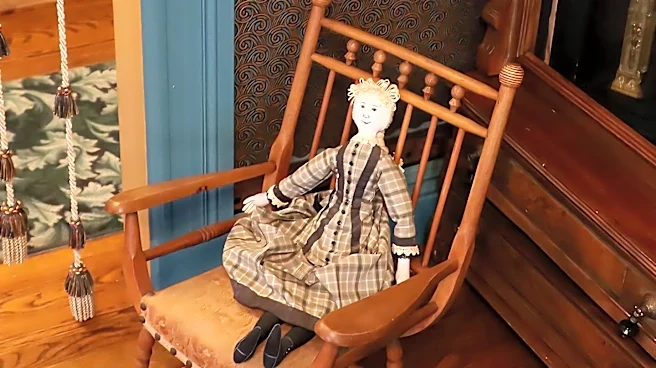
The Museum of Modern Art in New York is currently hosting an exhibition that highlights the American folk art collection of Abby Aldrich Rockefeller. This collection, which is considered one of the most significant of its kind in the United States, features
a diverse array of 19th-century folk art pieces. Curated by Starr Figura and Lydia Mullin, the exhibition includes items sourced from New England, Pennsylvania, and the mid-Atlantic states, such as Maryland and Virginia. The collection showcases a variety of objects, including weathervanes and stenciled still-lifes, created by craftspeople, self-taught amateurs, and other artists. The exhibition is open to the public until August 9, 2026.
Why It's Important?
This exhibition is significant as it provides insight into the cultural and artistic heritage of the United States through the lens of folk art. Abby Aldrich Rockefeller's collection offers a unique perspective on the creativity and craftsmanship of 19th-century America, highlighting the contributions of often overlooked artists and artisans. By showcasing this collection, the Museum of Modern Art not only honors Rockefeller's legacy as a patron of the arts but also enriches the public's understanding of American art history. The exhibition serves as a reminder of the diverse cultural influences that have shaped the nation's artistic landscape.
What's Next?
The exhibition is expected to draw art enthusiasts and scholars interested in American folk art and its historical context. Following the exhibition's conclusion, the Museum of Modern Art may consider further initiatives to explore and display other significant collections, potentially fostering greater appreciation and study of folk art. Additionally, the success of this exhibition could inspire other institutions to highlight similar collections, promoting a broader recognition of folk art's role in American culture.
Beyond the Headlines
The exhibition also raises questions about the preservation and interpretation of folk art within major art institutions. It highlights the importance of curatorial decisions in shaping public perception and understanding of art forms that have historically been marginalized. The exhibition may encourage discussions about the role of museums in preserving cultural heritage and the need for inclusive representation in the art world.