





What's Happening?
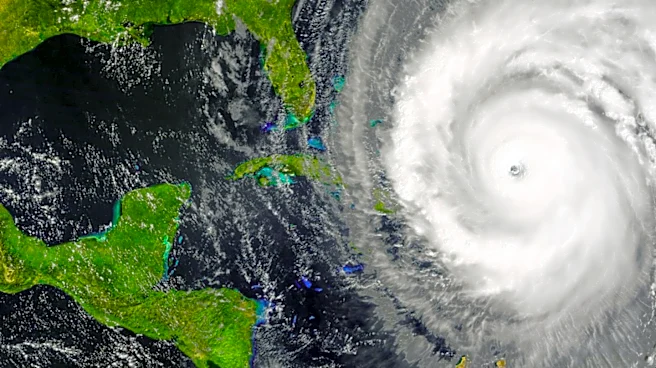
A developing El Niño is expected to become unusually powerful this winter, potentially impacting California's water supply and flood risk. The National Oceanic and Atmospheric Administration (NOAA) forecasts a 75 to 81 percent chance of a very strong
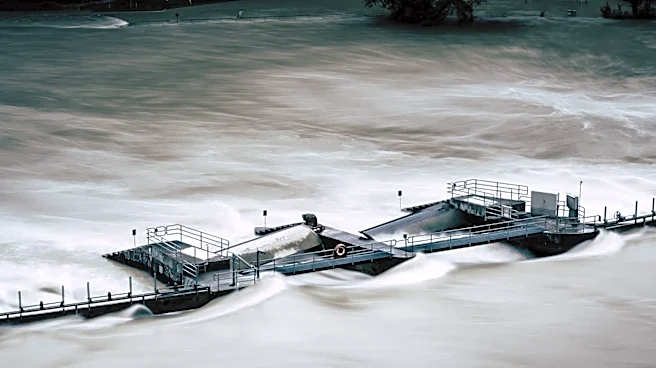
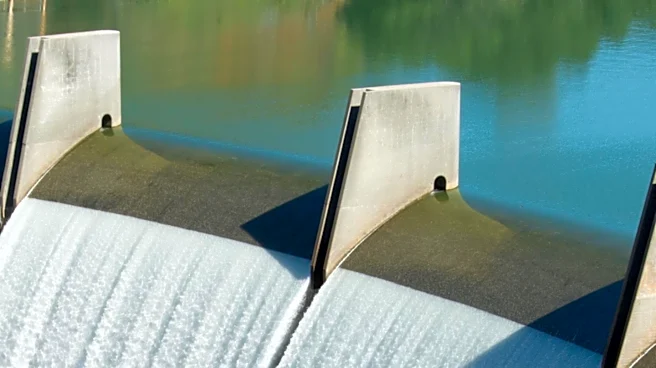
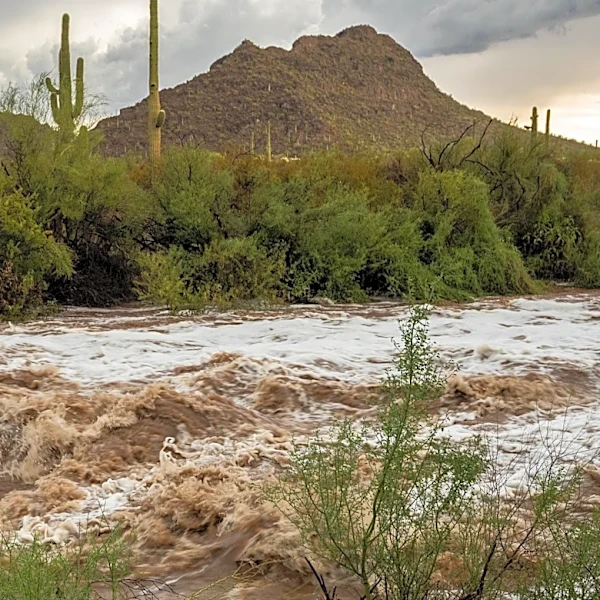
El Niño event between November and January, which is California's wet season. Historically, strong El Niño events have been significant predictors of wetter-than-average winters in California. However, the state's major reservoirs are currently at or above average capacity due to several consecutive wet winters, leaving limited space for additional water storage. This situation may necessitate the release of water from reservoirs to create flood-control space, especially if heavy storms occur. The reliance on Sierra Nevada snowpack, which provides a steady water source as it melts, is also a concern. Climate change is expected to result in more precipitation falling as rain rather than snow, complicating water storage and increasing flood risks.
Why It's Important?
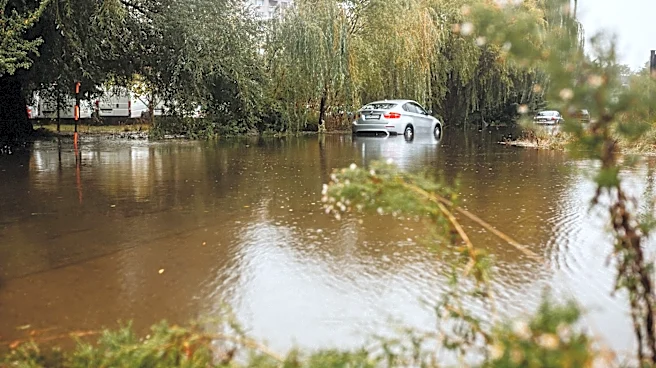
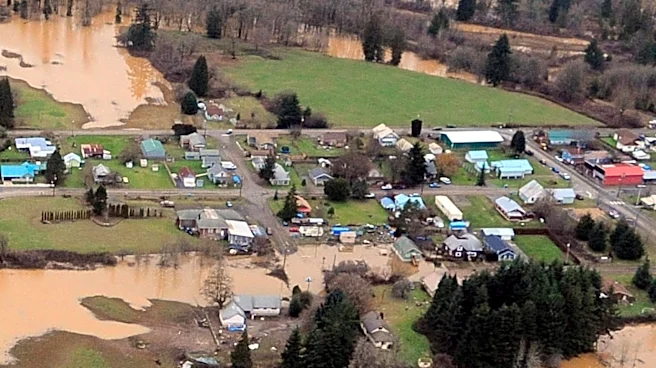
The potential for a very strong El Niño event poses significant challenges for California's water management. While a wetter winter could replenish water supplies, the current high levels in reservoirs mean that additional precipitation could lead to flooding rather than drought relief. The shift from snow to rain due to climate change further complicates water storage, as rainwater is harder to store over long periods compared to snowmelt. This situation underscores the need for effective flood management strategies and highlights the growing impact of climate change on water resources. The potential for increased flooding could have widespread implications for communities, infrastructure, and agriculture in California.
What's Next?
As the likelihood of a very strong El Niño increases, California's water managers may need to prepare for potential flood scenarios. This could involve strategic water releases from reservoirs to manage flood risks. Additionally, there may be a need for enhanced flood preparedness measures to protect communities and infrastructure. The ongoing monitoring of El Niño developments and climate change impacts will be crucial in adapting water management strategies to ensure both water security and flood prevention.