






What's Happening?
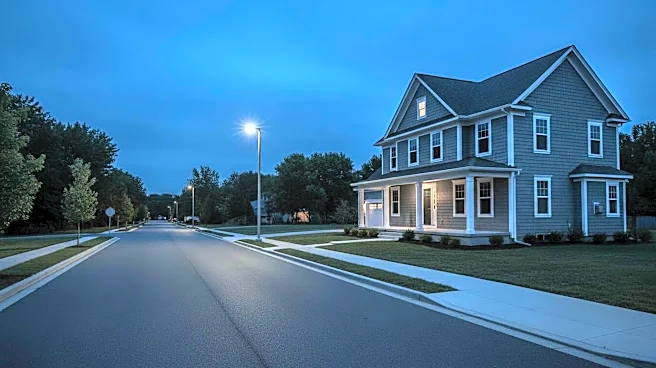
Roers Cos., a Minneapolis-based developer, is planning to construct 192 affordable apartments in North College Hill, a suburb of Cincinnati. The proposed development, located on a 12-acre wooded property along Hamilton Avenue, would consist of seven three-story
buildings and a clubhouse. These apartments are intended to be workforce housing, priced for individuals earning 60% of the area median income. To proceed with the project, Roers Cos. requires North College Hill to rezone the property to a planned unit development. The site was previously home to Regency Village, a long-term care facility that was demolished in 2010. The proposal has generated some concern among community members.
Why It's Important?
This development is significant for Cincinnati's housing landscape, particularly in addressing the need for affordable housing options. The creation of nearly 200 workforce housing units could help alleviate housing pressures for individuals and families with moderate incomes, allowing them to live closer to their workplaces and reduce commuting burdens. The project's focus on affordability aligns with broader efforts to ensure economic accessibility within urban and suburban areas. However, community concerns regarding zoning changes and the impact on the existing neighborhood highlight the ongoing tension between development needs and local resident interests. The success of this project could serve as a model for similar affordable housing initiatives in other U.S. cities facing similar challenges.
What's Next?
The immediate next step for Roers Cos. is to secure the necessary zoning change from North College Hill. This process will likely involve presentations to local planning commissions and city councils, as well as public hearings where community members can voice their opinions. The developer will need to address any concerns raised by residents and local authorities to gain approval. If the zoning change is granted, the project will then move into the detailed planning and construction phases. The outcome of this zoning request will be a key indicator of the project's viability and its potential timeline for completion.
Beyond the Headlines
The proposed development touches upon broader societal issues related to urban planning, economic equity, and community engagement. The concept of 'workforce housing' is crucial for maintaining a diverse and functional local economy, ensuring that essential workers can afford to live in the communities they serve. However, the 'concern from some community members' suggests potential debates over density, infrastructure strain, and the character of existing neighborhoods. This project could become a case study in balancing the urgent need for affordable housing with local residents' desires for controlled growth and preservation of community aesthetics. The decision-making process will reflect the priorities and challenges faced by many U.S. municipalities in managing growth and development.