




What's Happening?
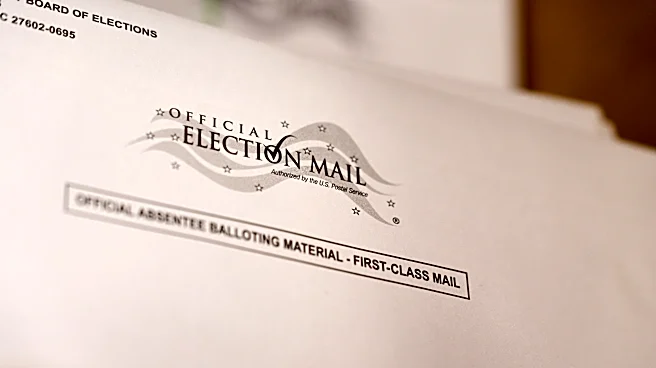
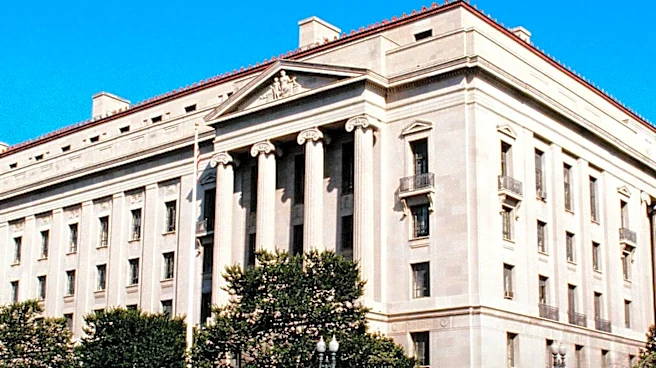
The U.S. Justice Department (DOJ) is pressing the Supreme Court to allow a new U.S. Postal Service (USPS) mail voting rule to take effect, despite key components, such as a federal portal for states to upload voter information, not yet being fully operational.
This rule is facing challenges from 24 states and the District of Columbia, which collectively need to send out over 51 million ballots by late October. A U.S. District Judge previously blocked the rule, citing low confidence in the Postal Service's ability to implement the portal in a timely manner. The DOJ's appeal to the Supreme Court largely dismisses concerns about the missing portal as speculation from state officials, even though these officials require direct knowledge of implementation plans to comply. In a separate appeal to the 1st Circuit Court of Appeals, the DOJ stated the portal would be functional by next week, but this assurance was notably absent from the Supreme Court filing. The core issue for states is that voters not on the approved list, which relies on this portal, may not receive ballots, potentially leading to disenfranchisement.
Why It's Important?
This situation carries significant implications for the integrity and accessibility of mail-in voting across the United States, particularly as states begin to dispatch ballots for upcoming elections. The absence of a functional federal portal for voter information creates a substantial bureaucratic hurdle for state election officials, who would need to implement new list maintenance procedures with very little turnaround time. This could lead to increased costs and training demands, especially for states with decentralized election systems where cities and towns manage voting activities. The DOJ's stance, downplaying state officials' concerns, highlights a potential disconnect between federal mandates and the practical realities of election administration at the state level. If the rule is allowed to proceed without the necessary infrastructure, it risks disenfranchising voters whose information cannot be processed through the new system, thereby undermining public confidence in the electoral process and potentially impacting election outcomes.
What's Next?
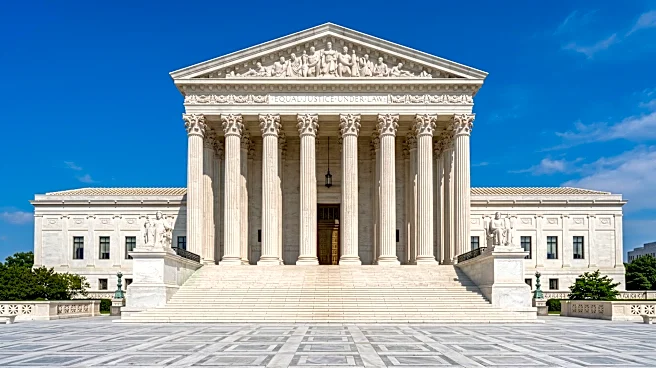
The Supreme Court will now consider the Justice Department's appeal to lift the lower court's block on the USPS mail voting rule. The outcome of this decision will determine whether the rule can take effect as states continue to prepare for upcoming elections. If the Supreme Court sides with the DOJ, states will be under immediate pressure to comply with a rule that lacks a fully functional federal portal, potentially leading to widespread confusion and operational challenges. Conversely, if the block remains, the USPS and DOJ may need to revise the rule or delay its implementation until all necessary components are in place and states have adequate time to adapt. Stakeholders, including state election officials, attorneys general, and civil society groups, will closely monitor the Supreme Court's decision and its subsequent impact on voter access and election administration.
Beyond the Headlines
The ongoing legal battle over the USPS mail voting rule underscores broader tensions between federal authority and state autonomy in election administration. This case highlights the critical role of infrastructure and clear communication in implementing federal policies that directly affect state-run processes. The potential for voter disenfranchisement due to administrative shortcomings raises ethical questions about equitable access to the ballot box. Furthermore, the differing narratives presented by the DOJ in various court filings regarding the portal's readiness could erode public trust in government transparency and accountability. This situation could also set a precedent for how future federal election-related mandates are introduced and enforced, potentially influencing the balance of power between federal agencies and state election bodies, and shaping the future landscape of mail-in voting in the U.S.