





What's Happening?
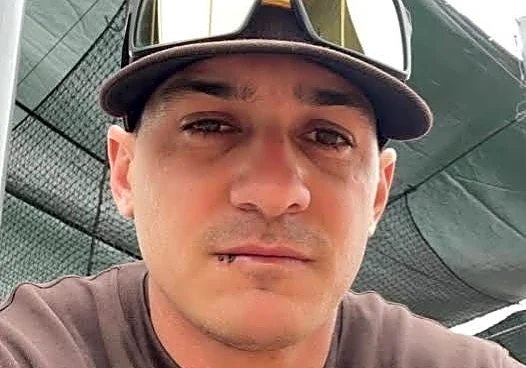
Oswaldo José Pirela, the San Diego Padres' minor-league catching coordinator, was detained by U.S. Immigration and Customs Enforcement (ICE) at El Paso International Airport. Pirela was traveling home to Arizona from a work assignment in El Paso, where
the Padres' Triple-A affiliate, the El Paso Chihuahuas, is based. As of Tuesday morning, Pirela remained in custody at the El Paso Processing Center. His family states that he came to the United States from Venezuela in 2014, applied for asylum, and has a pending case. They also assert he has authorization to work in the country, though The Athletic reported he was not carrying his physical work-permit card at the time of detention. ICE has not publicly provided a detailed explanation for his continued custody. The Padres organization has confirmed the detainment and is working to gather additional information.
Why It's Important?
This incident highlights the complexities and potential challenges faced by individuals with pending asylum cases in the U.S., even those with established careers and work authorization. The lack of immediate clarity from ICE regarding the reasons for Pirela's detention raises questions about immigration enforcement procedures and their impact on individuals and their families. For the San Diego Padres organization, the detainment of a key minor-league staff member could disrupt player development operations and create uncertainty. The situation also draws attention to the broader immigration debate in the U.S., particularly concerning individuals who have sought asylum due to political persecution in their home countries, such as Venezuela. The family's assertion that Pirela followed all U.S. laws and loves the country underscores the human element of immigration policies.
What's Next?
Pirela's family is actively seeking legal assistance and awaiting clarity from ICE regarding the reasons for his detention and the next steps in his case. The San Diego Padres organization is also working to gather more information, suggesting they may explore avenues to support their employee. Depending on the outcome, this situation could lead to legal challenges regarding the grounds for his detainment. Public and media attention on the case may pressure ICE to provide a more detailed explanation. The incident could also prompt discussions among sports organizations about how to better support employees with complex immigration statuses, especially those traveling for work. The resolution of Pirela's case will likely set a precedent for how similar situations involving individuals with pending asylum claims are handled.
Beyond the Headlines
This event transcends a simple immigration detention; it touches upon the broader societal implications of U.S. immigration policy, particularly for those fleeing political persecution. Pirela's story, as a Venezuelan asylum seeker who has built a life and career in the U.S., underscores the human cost when immigration processes become opaque or lead to unexpected detentions. It also brings to light the potential vulnerability of individuals, even those with work authorization, if they lack immediate access to specific documentation. The incident could fuel public discourse on the balance between national security, immigration enforcement, and humanitarian considerations. Furthermore, it may prompt a re-evaluation of how U.S. institutions, including professional sports organizations, navigate and respond to the immigration challenges faced by their diverse workforce.