






What's Happening?
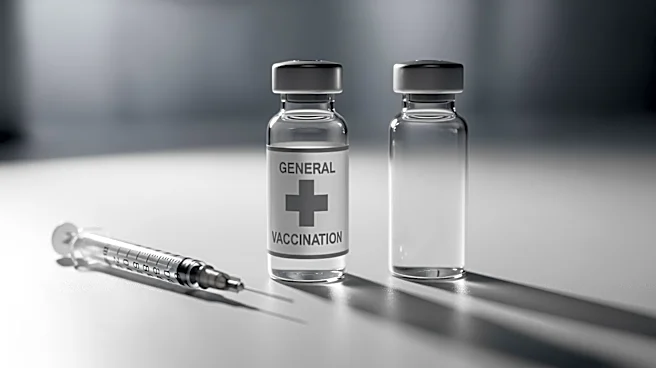
A concerning trend has emerged where parents are increasingly refusing vitamin K shots for their newborns, leading to a rise in cases of vitamin K deficiency bleeding (VKDB). This condition, which can cause severe hemorrhaging and even death, is preventable
with a single vitamin K injection recommended shortly after birth. Despite the shot's life-saving benefits, misinformation and distrust in healthcare systems have led to a 77% increase in newborns not receiving the injection between 2017 and 2024. The American Academy of Pediatrics has recommended the vitamin K shot since 1961, but recent data from the National Institutes of Health indicates that nearly 200,000 newborns missed the shot during this period. Without the injection, infants are 81 times more likely to develop VKDB, which can result in severe symptoms such as brain hemorrhaging, seizures, and unexplained bruising.
Why It's Important?
The refusal of vitamin K shots poses a significant public health risk, as it leads to preventable infant deaths and severe health complications. This trend reflects a broader issue of medical misinformation and growing skepticism towards healthcare recommendations. The increase in VKDB cases highlights the need for better public education on the importance of vitamin K and the safety of the injection. Healthcare providers face challenges in addressing parental concerns and misinformation, which can undermine trust in medical advice and lead to adverse health outcomes. The situation underscores the critical role of healthcare communication in ensuring that parents make informed decisions about their children's health.