






What's Happening?
The hotel industry is currently facing a wave of federal lawsuits alleging that the use of lobby scents violates the Americans with Disabilities Act (ADA). Since May, class-action lawsuits have been filed against major hotel chains including Marriott,
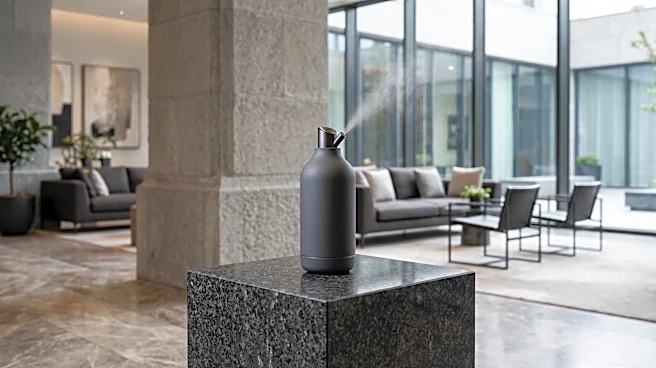
Hyatt, Loews, Hilton, and IHG, primarily in California and Florida. These lawsuits, initiated by Oakland-based law firm Cole & Van Note, claim that synthetic fragrances diffused in hotel lobbies and common areas release volatile organic compounds, aldehydes, phthalates, and formaldehyde. Plaintiffs allege that these chemicals cause adverse health reactions such as headaches and breathing problems for guests with chemical sensitivity, fragrance sensitivity, or asthma. The Loews complaint specifically targets all of the company's U.S. locations and seeks to ban synthetic fragranced products from these facilities. While some federal cases have been dropped, some are reportedly being refiled in state courts, and more filings are anticipated outside California. The scent marketing industry is a global business valued at $4.1 billion annually, with major vendors like Scentair serving customers worldwide.
Why It's Important?
These lawsuits represent a significant challenge to the widespread practice of scent marketing within the U.S. hotel industry, potentially redefining accessibility standards under the ADA. If successful, these legal actions could force hotels to eliminate or significantly alter their scent programs, impacting a multi-billion dollar global industry. The complaints highlight a growing awareness and concern regarding indoor air quality and its effects on individuals with sensitivities, potentially setting a precedent for other public accommodations. The financial implications for hotels could be substantial, particularly in California, where the Unruh Civil Rights Act allows for a statutory minimum of $4,000 per violation, in addition to actual damages. This could lead to significant settlement costs for hotel companies and potentially extend liability to franchisees, property owners, and management companies, as some complaints reserve the right to add any party controlling a defendant's 'environmental conditions.'
What's Next?
Hotel owners and operators are advised to proactively assess their scent programs. This includes identifying all scent diffusers and systems, reviewing vendor contracts for indemnity and insurance terms, obtaining safety data sheets for all products, and understanding who controls the scent program (brand, management company, or owner). It is also recommended that hotels contact their insurance agents to confirm coverage for fragrance claims and develop guest statements about scent usage, offering accommodations like scent-free rooms. Training front desk staff to handle fragrance-related accommodation requests is also crucial. If a demand letter or complaint is received, legal experts advise taking it seriously, preserving all records, notifying insurers and scent vendors, and consulting with experienced ADA defense counsel. The industry's response to these lawsuits, including potential changes in scent product formulations or operational practices, will be closely watched.
Beyond the Headlines
The legal challenges against hotel lobby scents underscore a broader societal shift towards greater awareness of environmental sensitivities and inclusive public spaces. Beyond the immediate legal and financial ramifications for the hotel industry, these cases could prompt a re-evaluation of 'invisible' environmental factors that impact accessibility. The focus on volatile organic compounds and other chemicals in synthetic fragrances raises questions about consumer product safety and the potential for long-term health effects from widespread exposure in commercial settings. This could lead to increased scrutiny of ingredients in scent marketing products and potentially drive innovation towards more hypoallergenic or natural scenting solutions. The outcome of these lawsuits may also influence regulatory bodies to consider stricter guidelines for indoor air quality in public venues, extending beyond hotels to other businesses that utilize ambient scenting.