


What's Happening?
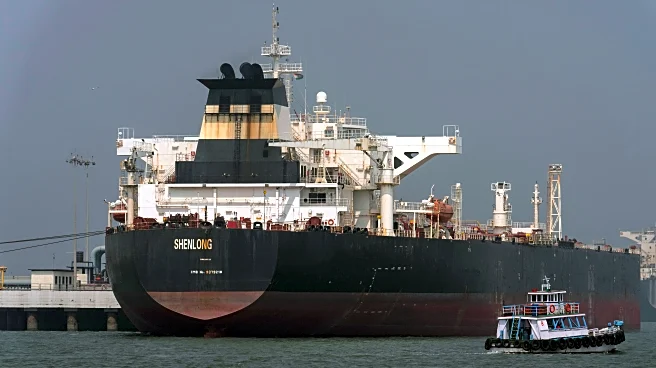
The Slovak government has announced a 30-day restriction on diesel sales due to a shortage caused by the suspension of supplies from the Druzhba pipeline. This pipeline, which transports Russian oil to Europe, was reportedly damaged by Russian strikes
in Ukraine. As a result, Slovakia's top refinery, Slovnaft, is partially relying on state oil reserves. The government has imposed limits on diesel purchases, allowing only a car tank fill and an additional 10 liters per customer. Foreign drivers, who have been benefiting from lower diesel prices in Slovakia, will now face higher costs, as prices for them will be calculated based on the average diesel prices in Austria, Poland, and the Czech Republic. Additionally, Slovakia has restricted diesel exports to other countries.
Why It's Important?
This development is significant as it highlights the broader geopolitical tensions affecting energy supplies in Europe. The disruption of the Druzhba pipeline underscores the vulnerability of energy infrastructure in conflict zones and the ripple effects on neighboring countries. For Slovakia, the restriction on diesel sales and the increased prices for foreign drivers could impact cross-border trade and travel, potentially straining relations with neighboring countries. The situation also reflects the ongoing challenges faced by European nations in securing energy supplies amid the Russia-Ukraine conflict, which could lead to further economic and political ramifications across the region.
What's Next?
The Slovak government's measures are set to last for 30 days, during which time the situation with the Druzhba pipeline may evolve. The European Union has proposed a mission to inspect the pipeline, but Slovak Prime Minister Robert Fico has expressed skepticism about its effectiveness without the inclusion of Slovak and Hungarian experts. The outcome of this inspection and any subsequent actions by the EU or involved countries could influence the duration and impact of the diesel restrictions. Additionally, the response from foreign drivers and neighboring countries to the increased diesel prices may prompt further diplomatic discussions or adjustments to the policy.