







What's Happening?
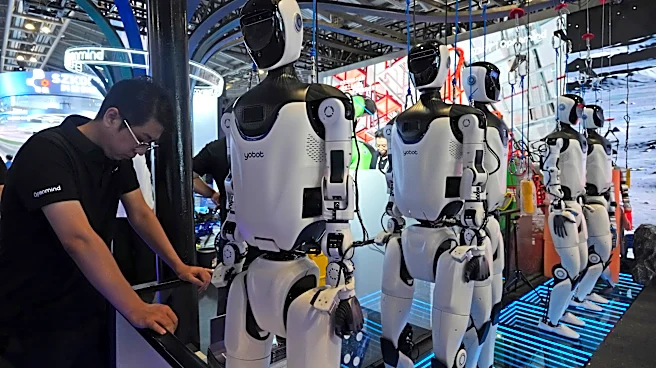
The Trump administration has introduced new restrictions on foreign-produced robotic devices, citing national security concerns. The Federal Communications Commission (FCC) has added these devices to its Covered List, focusing on advanced mobile robots
that could pose cybersecurity risks. This move affects household items like robot vacuums, lawn mowers, and pool cleaners, which use sensors, cameras, and AI for autonomous operation. The administration argues that these devices could be manipulated remotely, posing a threat to critical infrastructure. The decision has sparked debate over the balance between security and technological advancement.
Why It's Important?
This policy highlights the growing tension between technological innovation and national security. By restricting foreign-produced robotics, the administration aims to protect sensitive data and infrastructure from potential cyber threats. However, this move could disrupt the supply chain and increase costs for consumers and businesses relying on these technologies. The decision reflects a broader trend of scrutinizing connected devices, impacting industries that depend on international technology partnerships. It also raises questions about the future of global trade relations, particularly with countries like China, which are major suppliers of these technologies.
What's Next?
The FCC's restrictions focus on future approvals, meaning existing devices in American homes are not immediately affected. However, the policy could lead to increased scrutiny of other connected technologies, potentially expanding to include more categories of devices. The administration's actions may prompt retaliatory measures from affected countries, further complicating international trade dynamics. As the U.S. continues to prioritize national security, businesses and consumers may need to adapt to a landscape where technological innovation is closely monitored and regulated.