








What's Happening?
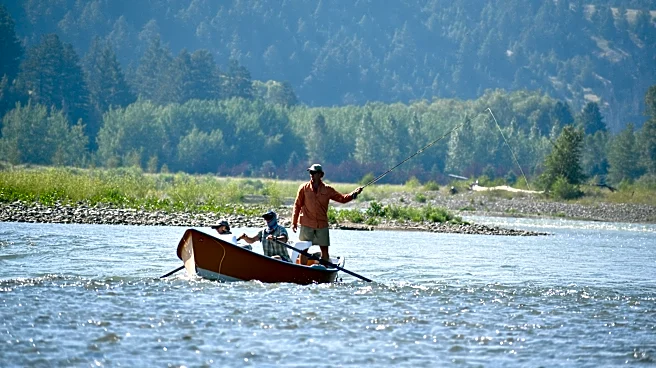
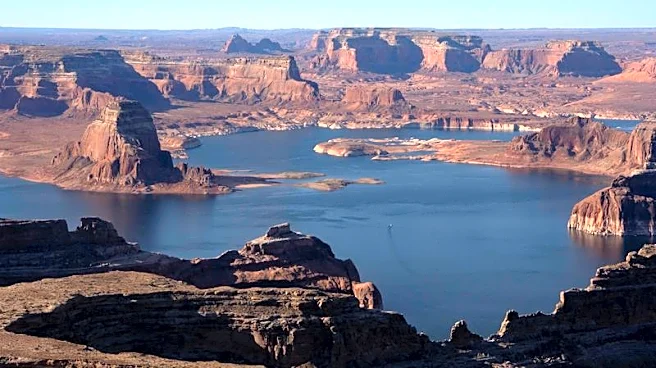
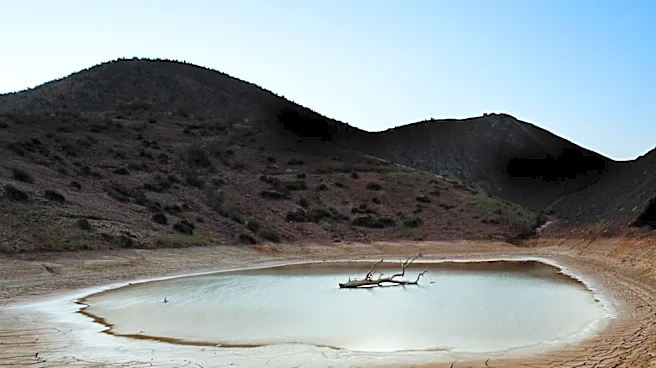
Wildlife officials across the U.S. West are implementing fishing restrictions as record heat and drought conditions have led to dangerously high water temperatures in rivers and streams. These conditions are particularly harmful to trout, a species that
requires cool water to survive. The restrictions, which include banning fishing during certain hours, aim to reduce stress on the fish. This summer, Colorado has imposed restrictions on 19 rivers, while Montana has extended afternoon fishing restrictions to cover 1,200 miles of rivers. The measures are a response to the ongoing heat wave affecting the region, which has been exacerbated by climate change.
Why It's Important?
The fishing restrictions highlight the broader impact of climate change on ecosystems and local economies. Trout fishing is a significant economic activity in the Rocky Mountain region, attracting anglers from around the world. The restrictions could lead to economic losses for local businesses that rely on fishing tourism. Additionally, the situation underscores the increasing frequency of 'river heat waves,' which are becoming more common due to climate change. This trend poses a long-term threat to cold-water fish species and the industries that depend on them.
What's Next?
As climate change continues to affect weather patterns, similar restrictions may become more common in the future. Wildlife officials and conservationists will need to develop strategies to mitigate the impact of rising temperatures on aquatic ecosystems. This could include habitat restoration efforts and the implementation of more sustainable water management practices. The situation also calls for increased public awareness and policy action to address the root causes of climate change.