





What's Happening?
The Hawaii Department of Health (DOH) is investigating a sixth reported case of cyclosporiasis in the state, which may be the first locally acquired infection on Oahu. The individual became ill in late July and reported no recent travel outside Hawaii during
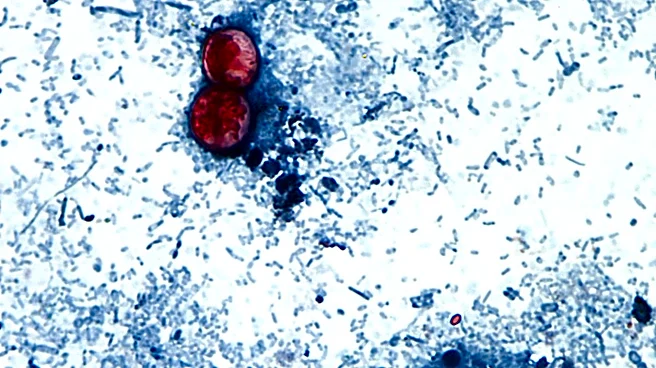
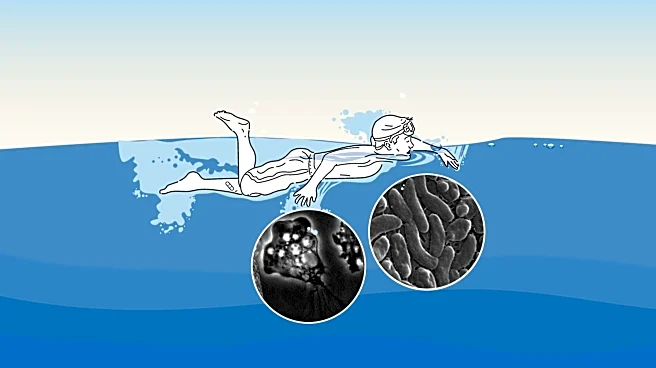
the likely exposure period. This contrasts with the five previously reported cases in Hawaii since early July, all of which involved individuals who had traveled outside the state. DOH investigators are meticulously reviewing potential food and other environmental exposures to pinpoint the source of the infection, though no contaminated food source has been identified yet. Cyclosporiasis is an intestinal illness caused by the microscopic parasite Cyclospora cayetanensis, typically contracted by consuming contaminated food or water. Symptoms, including frequent watery diarrhea, usually appear about a week after exposure.
Why It's Important?
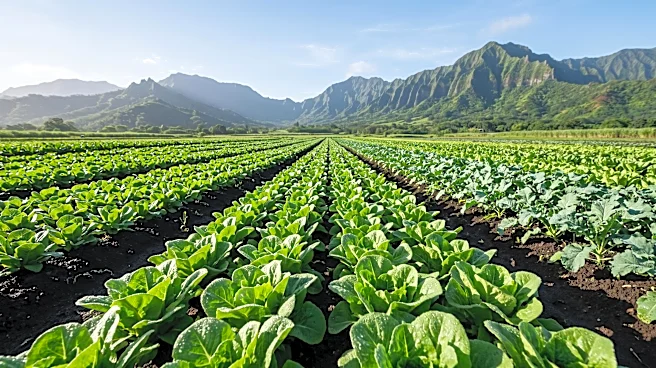
The potential identification of a locally acquired cyclosporiasis case on Oahu is significant as it suggests a domestic source of contamination, shifting the focus from travel-related exposures to local food supply chains or environmental factors within Hawaii. This could trigger broader public health investigations into local produce, water sources, or food handling practices, potentially impacting local agriculture and food service industries. While DOH officials state that a single locally acquired case does not change the overall low-risk assessment for the general public, it serves as a critical alert for heightened surveillance and public awareness regarding food safety and hygiene. Understanding the source is crucial for implementing targeted interventions to prevent further local transmission and protect residents and tourists from this parasitic infection.
What's Next?
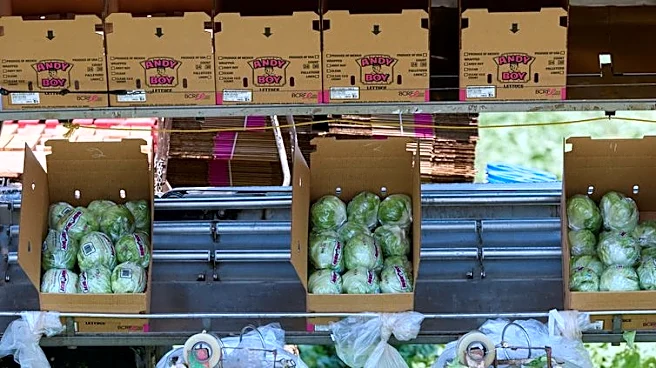
The Hawaii Department of Health will continue its intensive investigation to identify the source of the locally acquired cyclosporiasis case on Oahu. This will involve detailed interviews with the affected individual about their dietary habits and potential environmental exposures. DOH officials will also collaborate with the Centers for Disease Control and Prevention (CDC) to determine if this case is linked to any ongoing multistate cyclosporiasis outbreaks, such as the one associated with iceberg lettuce from Taylor Farms de Mexico, although no recalled lettuce was distributed in Hawaii. The DOH plans to update the public on its findings as they become available. Healthcare providers are encouraged to report suspected cases and submit specimens for specialized testing to aid in surveillance and control efforts. Public health advisories on prevention, including thorough handwashing and washing fresh produce, will likely continue.
Beyond the Headlines
This investigation highlights the intricate challenges of foodborne illness surveillance and control in a globalized food system. Even with stringent import regulations, local contamination risks persist, underscoring the need for robust domestic food safety protocols. The incident also brings to light the broader implications of parasitic infections, which can be difficult to diagnose and treat, and can have long-lasting health impacts if left unaddressed. From a public health perspective, it emphasizes the importance of a 'One Health' approach, recognizing the interconnectedness of human, animal, and environmental health in disease transmission. For consumers, it reinforces the critical role of personal hygiene and safe food preparation practices, serving as a reminder that even seemingly minor health incidents can have significant public health ramifications and require a coordinated response from multiple sectors.