
What's Happening?
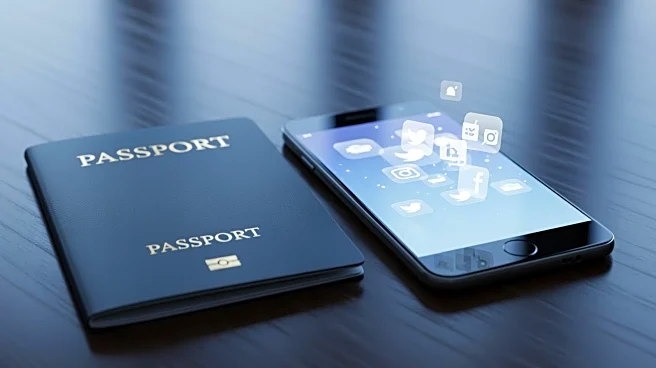
The U.S. Department of Homeland Security is considering a new policy that would require travelers from Visa Waiver Program countries to provide detailed personal information, including social media accounts,
email addresses, and family history, before being allowed to travel to the United States. This proposal, announced in the Federal Register, is part of the Trump administration's efforts to enhance security measures for international travelers. The policy would affect citizens from approximately 40 countries, primarily in Europe and Asia, who currently do not need a visa to enter the U.S. The public has 60 days to comment on the proposed changes.
Why It's Important?
This proposed policy could have significant implications for international travel and privacy rights. By requiring additional personal information, the DHS aims to strengthen national security and prevent potential threats. However, the proposal has sparked concerns among privacy advocates and immigration groups, who argue that it could infringe on individual rights and deter tourism. The increased scrutiny of social media and personal data may also lead to potential biases in the screening process, affecting individuals based on their online activities or political views.
What's Next?
The public comment period will allow stakeholders to express their views on the proposed changes. During this time, civil rights organizations and travel industry representatives are expected to raise concerns about privacy and the potential impact on tourism. Depending on the feedback received, the DHS may adjust the proposal before finalizing it. Legal challenges could also arise if the policy is perceived to violate privacy or free speech rights. The outcome of this process will determine the future of the proposed regulations and their effect on international travel to the U.S.