








What's Happening?
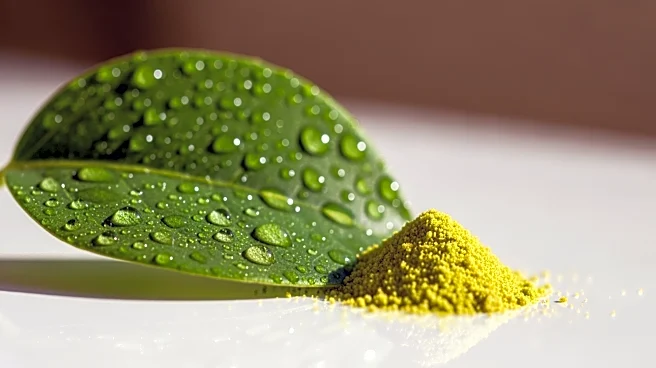
Atrazine, a widely used herbicide in U.S. agriculture, is under renewed scientific scrutiny due to potential health risks. Research suggests long-term exposure to atrazine may be linked to non-Hodgkin lymphoma and other cancers. Despite being banned in the European
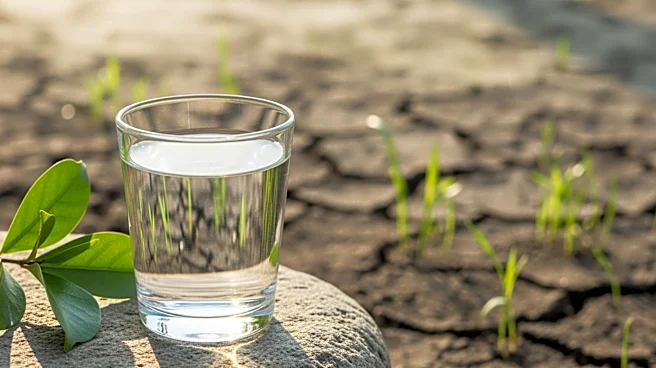
Union since 2004, atrazine remains prevalent in the U.S., with approximately 72 million pounds applied annually. Studies have detected atrazine in groundwater and private wells, raising concerns about its impact on rural communities. The International Agency for Research on Cancer recently classified atrazine as probably carcinogenic, prompting further investigation into its safety.
Why It's Important?
The scrutiny of atrazine highlights significant public health and environmental concerns. As a common agricultural chemical, its potential carcinogenic effects pose risks to farmers, rural families, and ecosystems. The continued use of atrazine in the U.S. despite international bans raises questions about regulatory standards and the balance between agricultural productivity and health safety. Addressing these concerns is crucial for protecting vulnerable populations and ensuring sustainable farming practices. The situation also underscores the need for transparent communication about chemical risks and informed decision-making in agricultural policy.
What's Next?
Ongoing research and legal reviews are expected to influence future regulatory decisions regarding atrazine. The U.S. Environmental Protection Agency may face pressure to reevaluate its approval of the herbicide, considering new scientific evidence. Legal actions by affected individuals could lead to increased scrutiny and potential restrictions on atrazine use. The agricultural industry may need to explore alternative weed control methods to mitigate health risks and comply with evolving regulations.