




What's Happening?
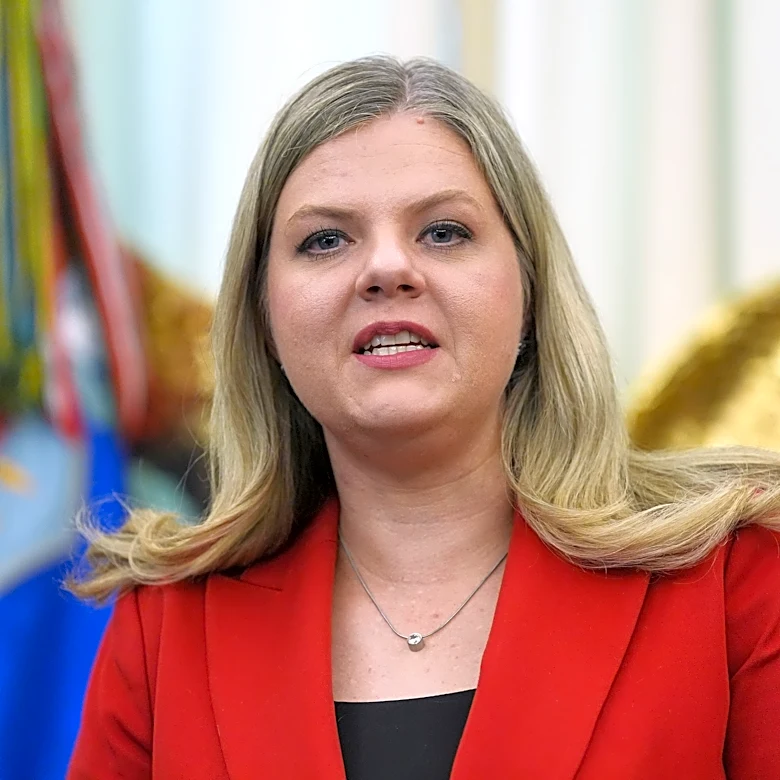
The Philadelphia Building and Construction Trades Council, representing over 50 unions, is actively campaigning against Pennsylvania Treasurer Stacy Garrity's 2026 gubernatorial bid. This opposition comes despite the council having endorsed Garrity for
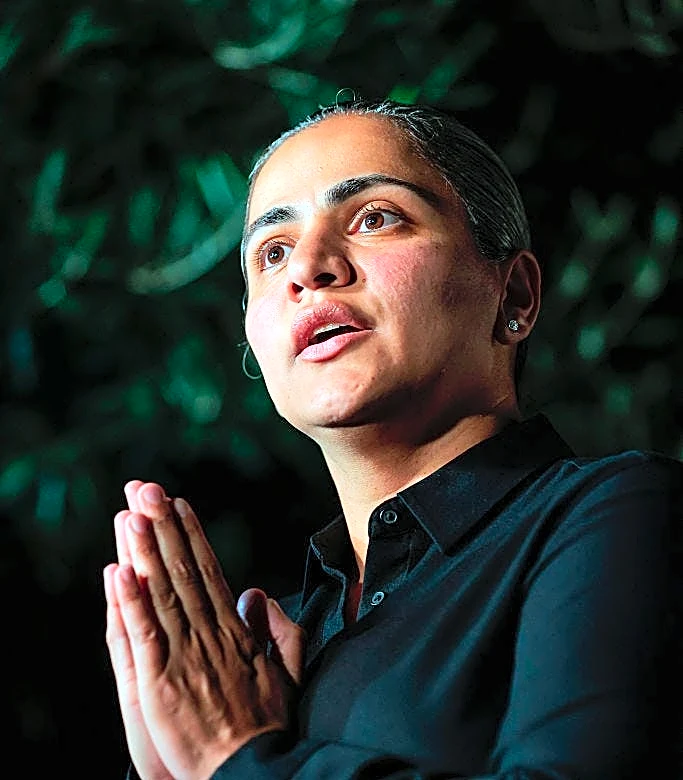
her reelection as state treasurer two years prior. Ryan Boyer, the council's business manager, stated that Garrity had promised not to run against Governor Josh Shapiro, whose gubernatorial campaign also received the council's endorsement. Boyer expressed strong disapproval of Garrity's decision to run, citing her alleged broken promise. The council had initially supported Garrity's reelection based on her assurances to support labor, including seeking an increase in Pennsylvania's unemployment compensation disbursements. Garrity's campaign spokesperson, Matt Beynon, responded by stating that Garrity would 'fight for Pennsylvania workers and advocate for Pennsylvania businesses,' implying a contrast with Governor Shapiro's administration.
Why It's Important?
This development highlights the complex and often transactional nature of political endorsements and alliances, particularly within the labor movement. The Philadelphia Building and Construction Trades Council's shift from endorsing Stacy Garrity to actively campaigning against her underscores the significance of perceived broken promises in political relationships. This could impact Garrity's ability to garner broader labor support in her gubernatorial campaign, which was a key factor in her successful 2024 treasurer's election where she attracted support from some traditionally Democratic-leaning labor organizations. The incident also reflects the ongoing political maneuvering ahead of the 2026 gubernatorial election in Pennsylvania, with unions playing a crucial role in shaping public opinion and voter turnout. The council's public opposition could influence other labor groups and voters who value loyalty and adherence to political agreements, potentially strengthening Governor Shapiro's position among organized labor.
What's Next?
The Philadelphia Building and Construction Trades Council's active campaign against Stacy Garrity is likely to continue, with Ryan Boyer and other local Democrats participating in events like the Pennsylvania Democratic Party's '100% MAGA' tour. This will intensify the political rhetoric and potentially draw more attention to Garrity's past promises and her current campaign platform. Garrity's campaign will need to address the accusations of broken promises and work to rebuild trust with labor groups or seek support from other constituencies. The incident could also prompt other unions and political organizations to re-evaluate their endorsement processes and the conditions under which they offer support to candidates. As the 2026 gubernatorial election approaches, the dynamics between candidates and key interest groups like labor unions will be a critical factor in shaping the political landscape in Pennsylvania.
Beyond the Headlines
This situation delves into the ethical dimensions of political promises and the expectations placed on elected officials by their supporters. The concept of a 'broken promise' can erode trust in political figures and institutions, potentially leading to voter apathy or a more cynical view of political processes. For labor unions, the decision to withdraw support and actively campaign against a previously endorsed candidate signifies a strong message about accountability and the importance of upholding commitments to working-class interests. This event could also contribute to a broader discussion about the influence of special interest groups in elections and the extent to which candidates are bound by informal agreements. The long-term impact might include a more cautious approach by unions in issuing endorsements and a greater emphasis on written agreements or public declarations of support to avoid similar disputes in the future.