


What's Happening?
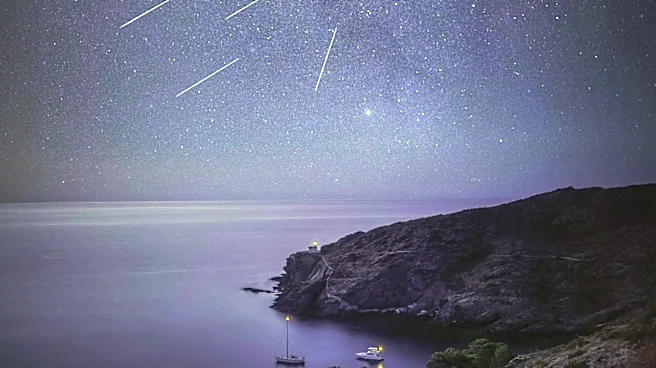
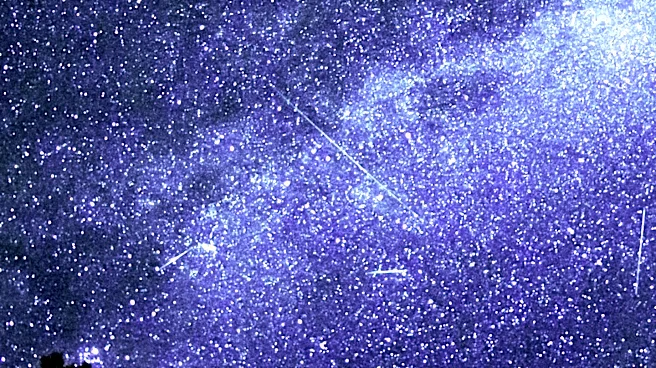
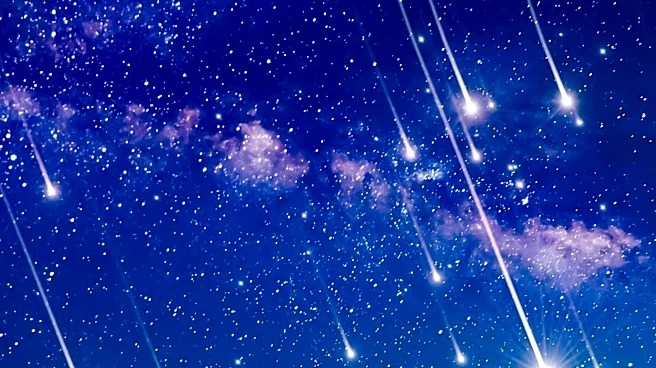
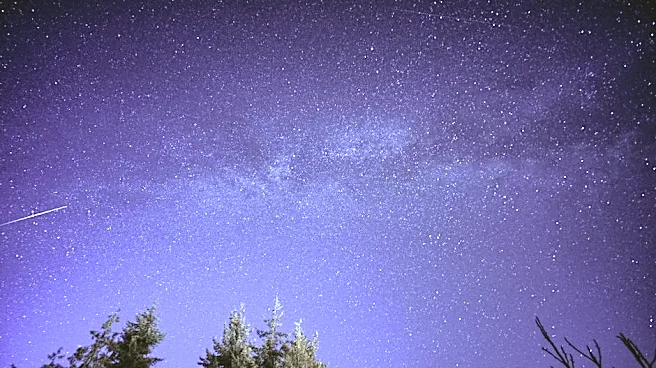
The Perseid meteor shower, one of the most anticipated celestial events, is currently active, with its peak expected on August 13. The meteors originate from the debris of Comet Swift-Tuttle, which travels between the outer and inner solar system. As
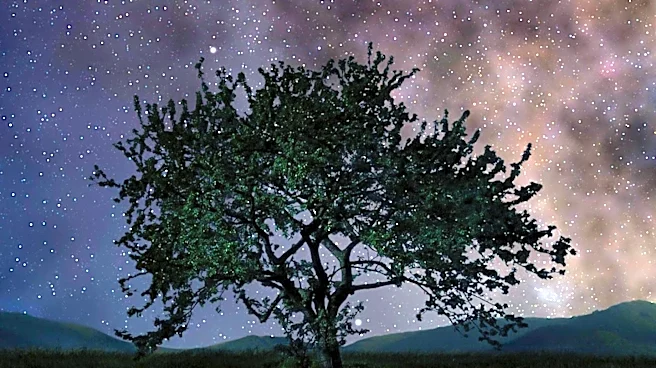
Earth passes through the comet's debris stream, the meteors create a spectacular display in the night sky. This annual event offers a unique opportunity for stargazers to witness the fiery demise of cosmic particles.
Why It's Important?
The Perseid meteor shower provides a natural spectacle that connects people with the cosmos, fostering interest in astronomy and space science. Observing meteor showers can also contribute to scientific research, as data collected during these events helps scientists understand the composition and behavior of comets and meteoroids. The Perseids serve as a reminder of the dynamic nature of the solar system and the ongoing interactions between celestial bodies.
What's Next?
As the Perseid meteor shower reaches its peak, astronomers and enthusiasts will continue to observe and document the event. This year's peak coincides with a new moon, providing optimal viewing conditions. Researchers may use this opportunity to gather data on meteor trajectories and compositions, enhancing our understanding of cometary debris. The event also encourages public engagement with astronomy, inspiring future generations to explore the wonders of space.
Beyond the Headlines
The Perseid meteor shower highlights the cultural and historical significance of celestial events, which have been observed and celebrated by civilizations throughout history. The shower's predictable nature and visual appeal make it a popular subject for artistic and scientific exploration. The event underscores the interconnectedness of the solar system and the ongoing influence of cosmic phenomena on Earth.