
What's Happening?
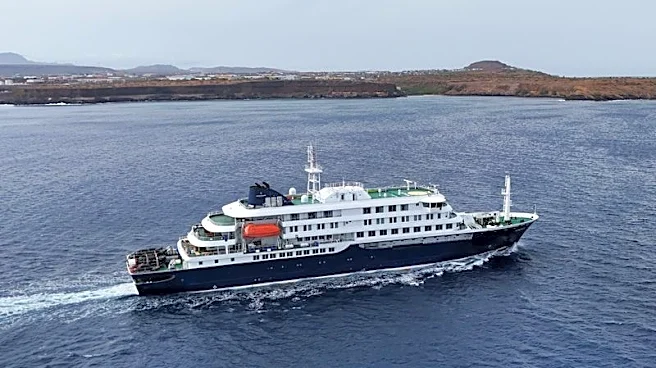
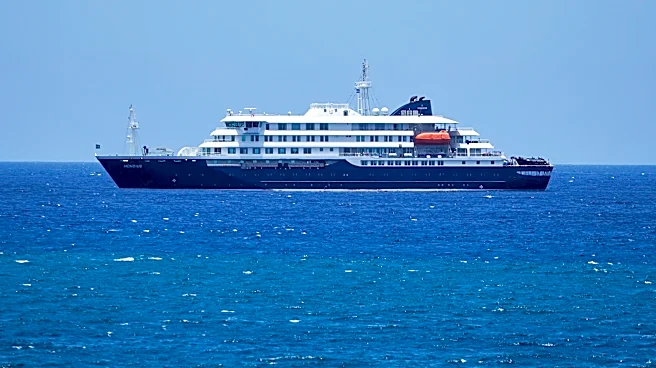
Passengers from the MV Hondius cruise ship, which experienced a hantavirus outbreak, have returned to the U.S. and are being monitored in three states. Two residents from Georgia, one from Arizona, and an undisclosed
number from California are under observation for potential infections. The outbreak, which has resulted in three deaths and at least seven illnesses, was confirmed after the passengers disembarked. Health officials in Georgia and Arizona report that the individuals are currently symptom-free, while California health authorities state that the risk to the public is low. The outbreak is linked to the Andes virus, a rare hantavirus strain that can be transmitted between humans.
Why It's Important?
The hantavirus outbreak on the MV Hondius highlights the challenges of managing infectious diseases in the context of global travel. The Andes virus, with its high mortality rate, poses a significant public health risk, necessitating close monitoring and rapid response from health authorities. The situation underscores the importance of international cooperation in tracking and containing infectious diseases. For the U.S., the outbreak raises concerns about the potential spread of the virus domestically and the need for effective quarantine and monitoring measures to prevent further transmission.
What's Next?
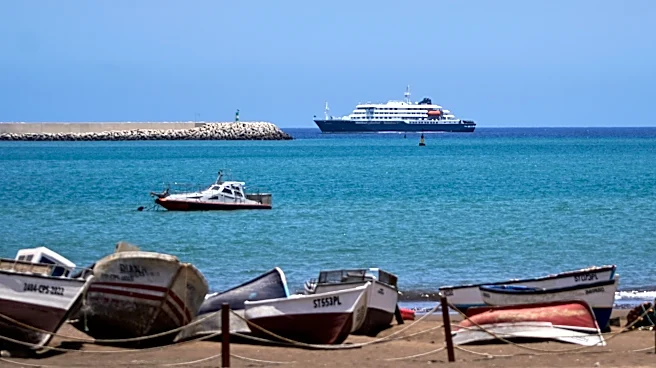
The MV Hondius is en route to the Canary Islands, where remaining passengers are expected to disembark. Health authorities in the U.S. and other countries are working to trace and monitor individuals who may have been exposed to the virus. The World Health Organization and national health agencies are likely to issue further guidelines on managing the outbreak and preventing future incidents. Continued vigilance and cooperation between international health organizations will be crucial in containing the spread of the virus.