









What's Happening?
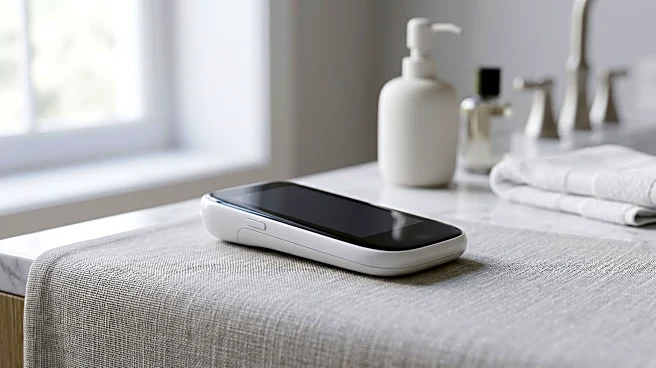
Researchers at Northeastern University’s Archimedes Center for Healthcare & Medical Device Cybersecurity have identified 20 security vulnerabilities in the Mira Ultra 4, a widely used at-home fertility tracker. These weaknesses were found in both the device
and its accompanying mobile application. The vulnerabilities could allow hackers to connect to the device via Bluetooth, access unencrypted user information, and inject incorrect health data. Graduate researchers, including Narmina Karimova and Muzzammil Mohammed, presented their findings at the DEF CON hacker conference. They demonstrated that a full takeover of the device and its companion app was possible, potentially exposing over 600,000 Mira accounts to these vulnerabilities. The manufacturer of the device has since updated its service to address these security issues.
Why It's Important?
The discovery of these security flaws highlights significant privacy and health data risks associated with the rapidly growing feminine technology market, which is projected to reach $255 billion by 2035. Users of at-home fertility trackers rely on these devices for accurate health data, which is often shared with medical providers. The ability for hackers to inject false data or access sensitive personal health information could lead to misdiagnoses, inappropriate medical treatments, or severe privacy breaches. This incident underscores the critical need for robust cybersecurity measures in medical devices, especially those that collect and transmit personal health data, to protect consumers from potential harm and exploitation.
What's Next?
Following the researchers' findings, the manufacturer of the Mira Ultra 4 has updated its service to address the identified security issues. This action suggests a move towards improving the security posture of the device. However, the broader implications for the femtech industry remain. Other manufacturers of similar devices may face increased scrutiny regarding their cybersecurity practices. Consumers are likely to become more aware of the potential risks associated with connected health devices, potentially leading to a demand for greater transparency and stronger security certifications. Regulatory bodies may also consider implementing more stringent guidelines for the cybersecurity of medical and health-related consumer devices.
Beyond the Headlines
This incident brings to light the ethical and legal challenges inherent in the intersection of personal health data, technology, and cybersecurity. The potential for unauthorized access to sensitive health information, such as fertility data, raises serious questions about data ownership, consent, and the long-term implications for individuals' privacy and autonomy. Beyond the immediate security fixes, there is a need for a broader industry-wide discussion on establishing common security standards and best practices for health-related consumer devices. This event also highlights the role of independent research and ethical hacking in identifying and mitigating vulnerabilities before they can be exploited by malicious actors, emphasizing the importance of collaboration between academia, industry, and the cybersecurity community.