





What's Happening?
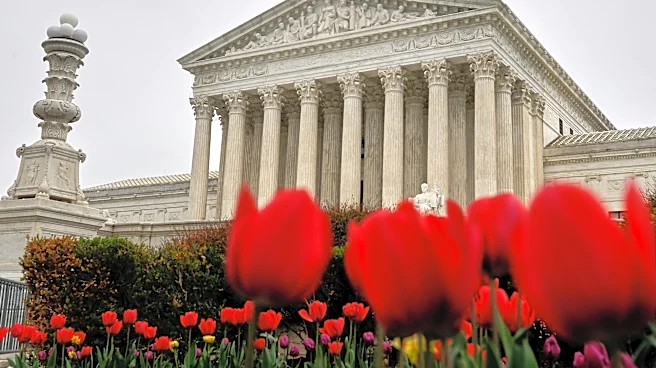
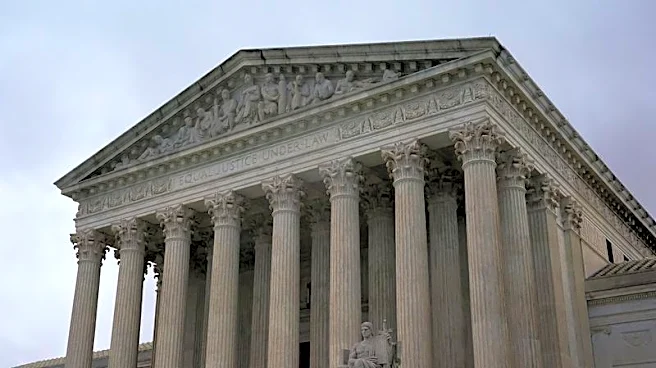
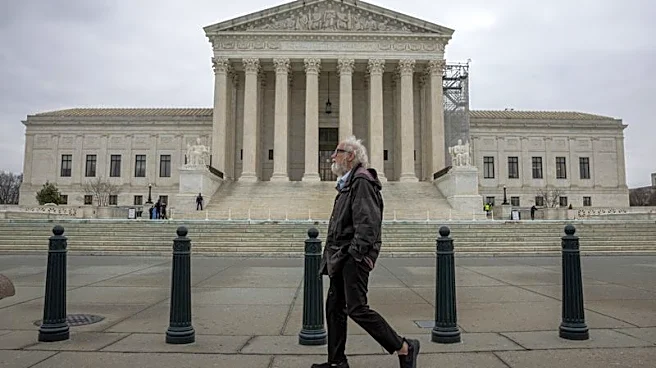
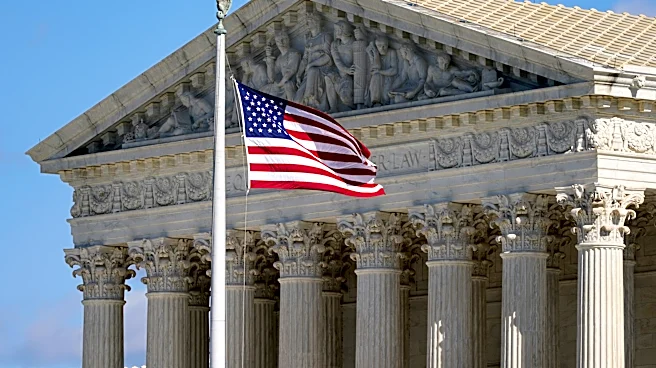
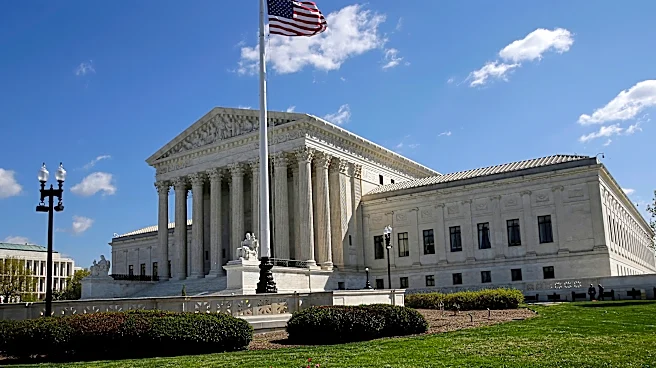
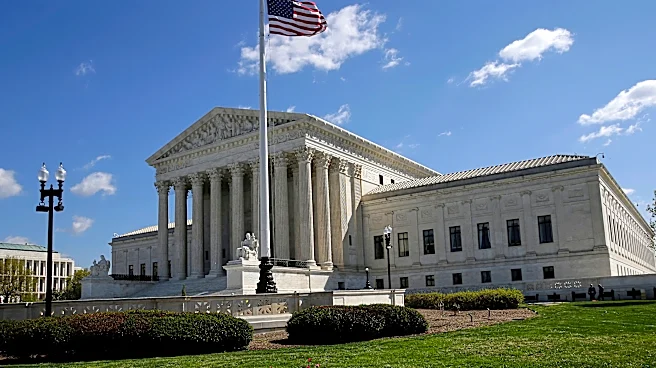
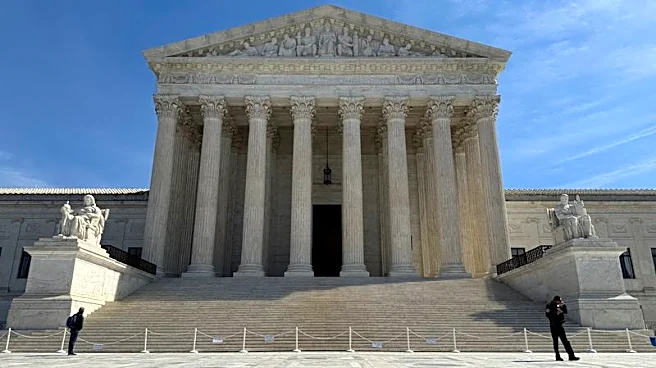
Following a recent Supreme Court decision that effectively dismantled a major provision of the Voting Rights Act, there is a renewed push by advocates and Democratic lawmakers to enact state-level voting rights acts. The Supreme Court's ruling in Louisiana
v Callais weakens the power of minority voters, particularly Black voters, to elect representatives of their choice. In response, nine states have already implemented their own versions of voting rights acts, and eleven more, including several southern states, are considering similar legislation. These state acts aim to protect voters from suppression, dilution, and intimidation, and require pre-clearance for voting changes. Despite the setback at the federal level, proponents argue that state-level acts can still provide significant protections and serve as a tool to pressure Congress to act on voting rights.
Why It's Important?
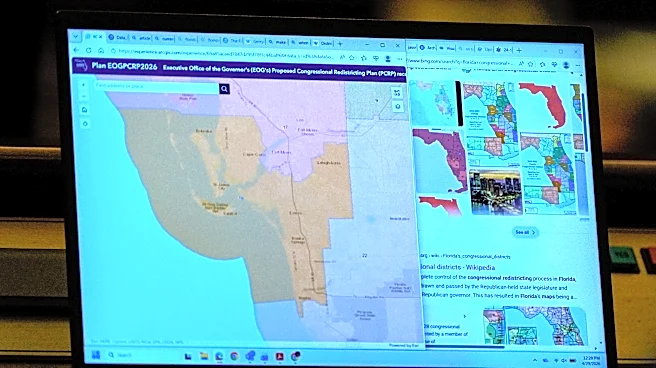
The Supreme Court's decision represents a significant challenge to voting rights, particularly for minority communities. By weakening federal protections, the ruling could lead to increased gerrymandering and voter suppression, particularly in states with histories of racial discrimination. State-level voting rights acts are seen as a crucial alternative to safeguard fair representation and prevent racial vote dilution. These acts could help maintain the integrity of elections and ensure that historically marginalized communities have a voice in the democratic process. However, the effectiveness of these state acts is uncertain, especially in states where they are most needed but face strong opposition.
What's Next?
The push for state-level voting rights acts is expected to continue, with civil rights organizations like the NAACP Legal Defense Fund advocating for their passage across the country. Legal challenges to these state acts are anticipated, particularly in light of the Supreme Court's decision, which may embolden opponents to question their constitutionality. Despite these challenges, advocates remain committed to using state acts as a means to protect voting rights and build momentum for federal action. The outcome of these efforts will significantly impact the future of voting rights and representation in the United States.