



What's Happening?
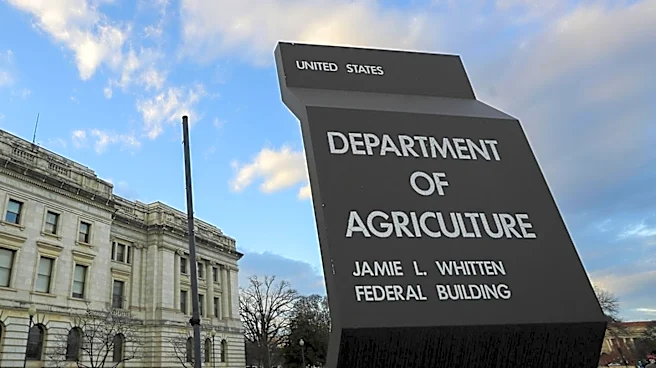
The U.S. Department of Agriculture (USDA) has proposed significant changes to federal grazing rules, aiming to simplify and expand rancher access to grazing permits on national forests and grasslands across 16 Western states. The proposed rule seeks to update
requirements for permit issuance, eligibility, and qualifications, while also revising grazing fee provisions to establish more consistent fee-setting practices between the USDA and the Interior Department. This initiative is designed to reduce regulatory discrepancies for ranchers who utilize lands managed by both agencies. Currently, the Forest Service permits livestock grazing on nearly 40% of its 193 million acres, an activity that supports approximately 14,200 jobs and contributes $645 million annually to the U.S. gross domestic product. The USDA emphasizes that grazing is also a vital land-management tool, contributing to the reduction of dry vegetation, wildfire prevention efforts, and improved stewardship during periods of drought and other environmental disturbances. The proposed rule is scheduled for publication in the Federal Register on November 12, initiating a 30-day public comment period before the USDA considers a final version.
Why It's Important?
This proposed rule holds significant importance for the U.S. agricultural sector, particularly for ranchers in the Western states. By streamlining the process for obtaining and managing grazing permits, the USDA aims to reduce administrative burdens and operational costs for ranchers, potentially increasing the economic viability of their operations. The harmonization of grazing fee provisions between federal agencies could create a more predictable and stable financial environment for livestock producers, fostering greater long-term planning and investment. Furthermore, the USDA's emphasis on grazing as a land-management tool highlights its dual benefit: supporting the livestock industry while also contributing to critical environmental goals such as wildfire mitigation and ecosystem health. This approach could lead to more integrated land management strategies that benefit both agricultural productivity and ecological resilience in drought-prone Western regions. The rule's potential to support jobs and economic output underscores its broader impact on rural economies and the national GDP.
What's Next?
Following the publication of the proposed rule in the Federal Register on November 12, a 30-day public comment period will commence. During this time, stakeholders, including ranchers, environmental groups, and the general public, will have the opportunity to submit feedback and express their views on the proposed changes. The USDA will then review these comments before developing and considering a final version of the rule. The feedback received could lead to modifications in the final rule, addressing concerns or incorporating suggestions from various parties. Ranchers and agricultural organizations will likely advocate for provisions that further ease access and reduce regulatory complexities, while environmental groups may focus on ensuring sustainable grazing practices and ecological protections. The final rule, once implemented, will dictate the future framework for grazing on federal lands, impacting thousands of ranchers and millions of acres across the Western United States.
Beyond the Headlines
Beyond the immediate regulatory adjustments, this proposed rule reflects a broader policy effort to balance agricultural interests with environmental stewardship on federal lands. The recognition of livestock grazing as a tool for wildfire prevention and land management could signal a shift towards more integrated approaches to public land use, where economic activities are viewed as complementary to conservation goals. This could foster new collaborations between ranchers and conservationists, potentially leading to innovative solutions for land management challenges in the West. However, the implementation of such policies will require careful monitoring to ensure that grazing practices remain sustainable and do not inadvertently contribute to land degradation or habitat loss. The rule also touches upon the ongoing debate about federal land management and the role of various stakeholders in shaping its future, highlighting the complex interplay between economic development, environmental protection, and public access to natural resources.