





What's Happening?
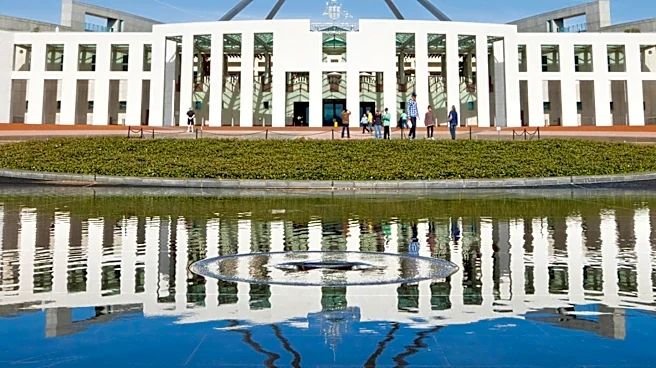
Prime Minister Anthony Albanese is experiencing a significant decline in public trust, with over half of Australian voters expressing distrust, according to the latest Resolve Political Monitor. This erosion of confidence stems primarily from his government's
decision to reverse election pledges regarding negative gearing and capital gains tax breaks in the recent federal budget. While these changes aim to address housing affordability, 23% of voters reported losing trust in Albanese specifically due to these broken promises. An additional 34% already distrusted him prior to these policy shifts. The poll, conducted between September 6 and 12, surveyed 2250 voters and highlights a critical challenge for the Labor government as it approaches the next election. Despite the personal decline in the Prime Minister's standing, Labor's primary vote has remained relatively stable, suggesting a disconnect between individual approval and party support. The government's economic management is also under scrutiny, with 74% of respondents concerned about the national debt, which recently surpassed $1 trillion.
Why It's Important?
The decline in Prime Minister Albanese's trustworthiness is a significant development for Australian politics, potentially impacting the Labor government's ability to implement its agenda and secure re-election. A leader's credibility is crucial for public support, especially when pursuing substantial reforms. The decision to break election promises, even if aimed at addressing a critical issue like housing affordability, has alienated a considerable portion of the electorate. This situation could empower opposition parties and make it more challenging for Labor to gain consensus on future policy initiatives. The public's concern over national debt further complicates the economic landscape, potentially leading to increased pressure for fiscal conservatism. The poll results indicate that while voters may support the outcome of lower house prices, the method of achieving it through broken promises has damaged the Prime Minister's personal standing. This dynamic suggests that the perceived integrity of political leaders can be as influential as the policies themselves in shaping public opinion.
What's Next?
Prime Minister Albanese faces the immediate challenge of rebuilding public trust ahead of the next election, which is still two years away. The government's strategy appears to be a gamble that the tax changes will become embedded, the property market will stabilize, and interest rates may decline, allowing time for public sentiment to recover. Health Minister Mark Butler has defended the tax changes as 'hard but necessary,' indicating the government's commitment to the policy despite the political cost. The Labor party will likely focus on demonstrating the long-term benefits of these reforms, particularly in addressing housing affordability for younger Australians. However, the ongoing criticism from various political figures, including former ACTU secretary Bill Kelty, suggests that the debate around these policies will continue. The government will need to effectively communicate its rationale and demonstrate tangible positive outcomes to win back the trust of the 23% of voters who felt betrayed by the broken promises. The upcoming period will be crucial for Albanese to prove that his actions, though politically costly, were indeed in the national interest.
Beyond the Headlines
The situation surrounding Prime Minister Albanese's declining trust highlights a broader trend in modern politics where the perceived integrity of leaders is increasingly scrutinized. The 'political capital' spent on reversing election pledges, even for what the government deems a national interest, underscores the delicate balance between policy necessity and public expectation. This event could contribute to a growing cynicism towards political promises, making it harder for future governments to secure mandates for significant reforms. The comparison to former Prime Minister John Howard, who was not always seen as truthful but was trusted to act in the national interest, suggests that voters might prioritize perceived competence and beneficial outcomes over strict adherence to pre-election commitments. However, the current poll indicates that Albanese has not yet achieved this level of trust. The incident also raises questions about the long-term impact of such decisions on democratic accountability and the relationship between elected officials and the electorate, potentially fostering an environment where voters are more skeptical of political rhetoric.