
What's Happening?
Canadian mining company Sherritt International Corp. has decided to cease its operations in Cuba, a move that significantly impacts the Cuban economy. Sherritt, which has been operating in Cuba since the 1990s,
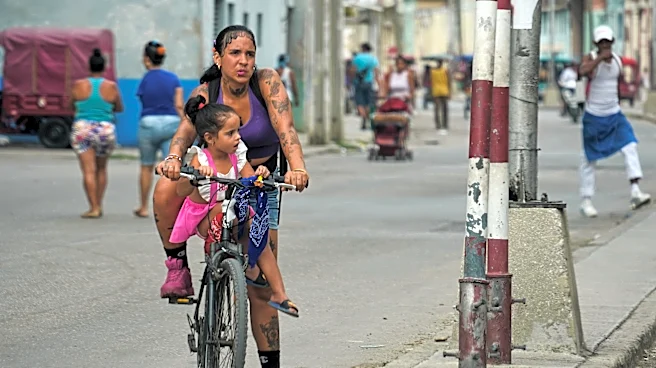
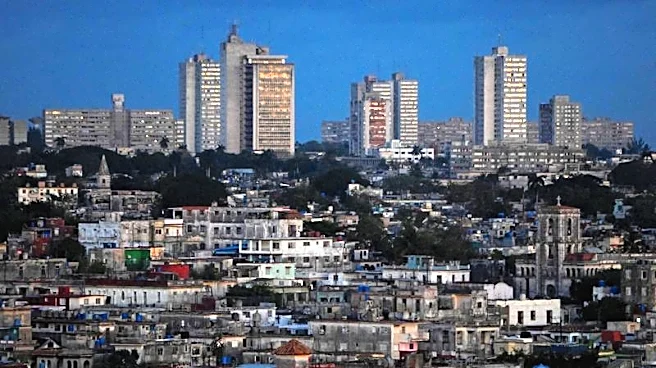
is closing its nickel operations due to pressure from U.S. sanctions. This decision cuts off a crucial source of hard currency for Cuba, as nickel exports have been a major economic driver. In 2021, nickel exports brought Cuba $788 million, but this figure plummeted to $88.6 million following the imposition of U.S. sanctions under President Trump's administration. Sherritt's exit also affects Energas SA, a joint venture that provides about 10% of Cuba's national energy capacity. The withdrawal is expected to lead to chronic blackouts and could result in the shutdown of industrial facilities in Havana and other cities.
Why It's Important?
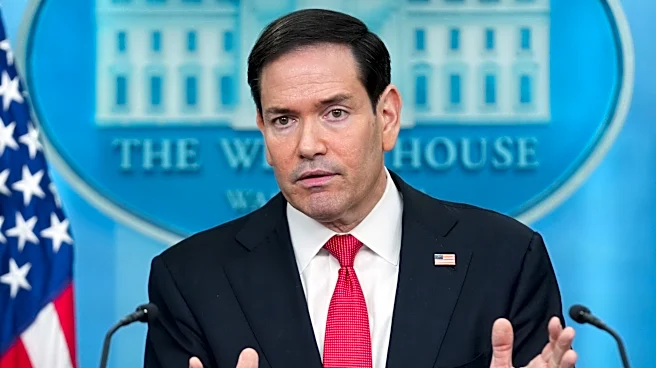
The withdrawal of Sherritt International from Cuba underscores the significant impact of U.S. sanctions on the Cuban economy. The sanctions, part of a broader campaign by President Trump to pressure Havana, have already led to a drastic reduction in revenue from nickel exports. The loss of Sherritt's operations not only affects the mining sector but also the energy sector, as Energas SA plays a critical role in Cuba's electricity generation. This development could exacerbate existing economic challenges in Cuba, leading to increased energy shortages and further economic instability. The situation highlights the broader geopolitical tensions between the U.S. and Cuba and the potential for economic hardship as a tool of foreign policy.
What's Next?
The Cuban government will likely need to seek alternative partners or strategies to mitigate the economic impact of Sherritt's withdrawal. This could involve seeking new international partnerships or increasing domestic production capabilities. The U.S. may continue to apply pressure through sanctions, potentially leading to further economic isolation for Cuba. The situation could also prompt diplomatic efforts from other countries to mediate or offer support to Cuba. The long-term economic and political implications for Cuba remain uncertain, as the country navigates these challenges.