


What's Happening?
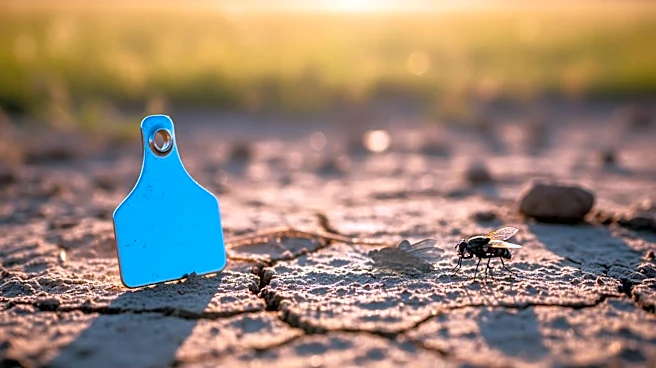
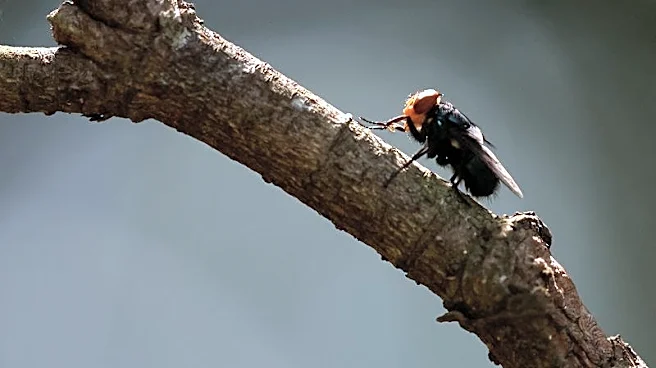
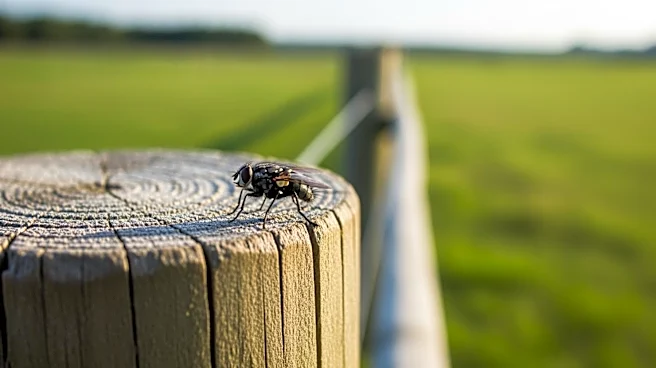
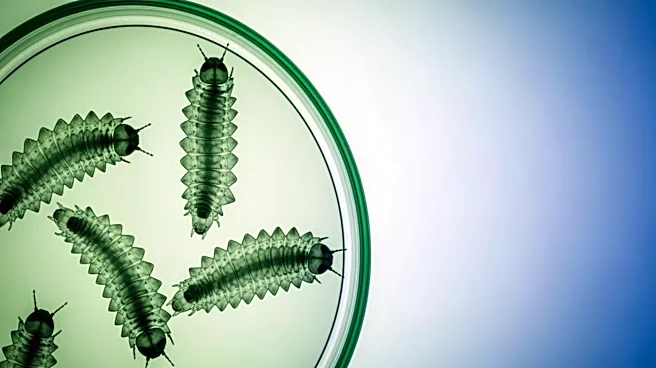
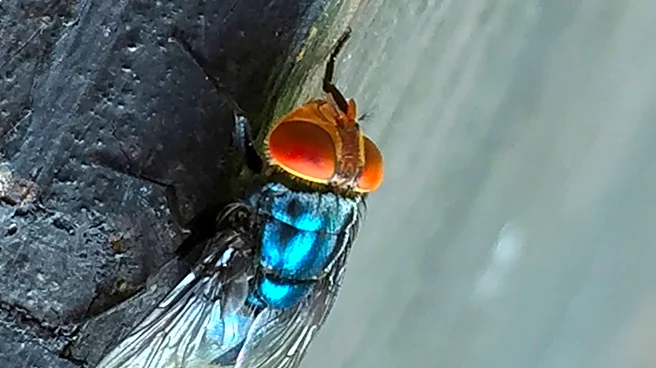
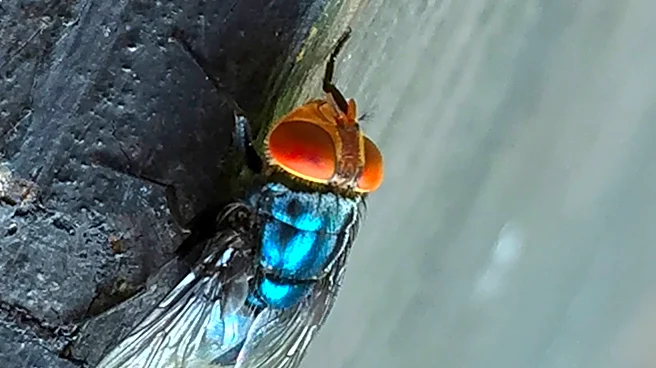
The Iowa Department of Agriculture is closely monitoring the situation involving the New World screwworm, a parasitic fly that poses a threat to cattle. This development follows the confirmation by a lab in Ames, Iowa, that the screwworm was found in a calf
from Texas. The Iowa Department of Agriculture and Land Stewardship is prepared to respond if the pest begins to threaten cattle in Iowa. Texas Governor Greg Abbott highlighted the rapid spread potential of the screwworm, which can infect various animals, including deer and cattle. The U.S. Department of Agriculture is constructing a facility in Texas to produce sterile flies as a method to eradicate the screwworm. Despite the threat to cattle, the Iowa Department of Agriculture assures that there is no food safety risk associated with the pest.
Why It's Important?
The presence of the New World screwworm in the U.S. is significant due to its potential impact on the cattle industry, a vital sector of the American economy. The screwworm can cause severe damage to livestock, leading to economic losses for farmers and ranchers. The proactive measures by the Iowa Department of Agriculture and the U.S. Department of Agriculture aim to prevent a widespread outbreak that could affect cattle health and productivity. The situation underscores the importance of biosecurity and rapid response mechanisms in protecting the agricultural sector from invasive species. The economic implications extend beyond Iowa, as the cattle industry is a major contributor to the national economy, and any threat to livestock health can have ripple effects on meat supply and prices.
What's Next?
The Iowa Department of Agriculture will continue to monitor the situation and is ready to implement response measures if the screwworm begins to pose a threat to local cattle. The construction of the facility in Texas to produce sterile flies is a critical step in controlling the screwworm population. This method, known as the sterile insect technique, has been effective in past eradication efforts. Stakeholders in the cattle industry, including farmers and agricultural organizations, are likely to keep a close watch on developments and collaborate with government agencies to mitigate risks. Ongoing communication and updates from the Iowa Department of Agriculture will be crucial in managing the situation and ensuring the safety of the cattle industry.