



What's Happening?
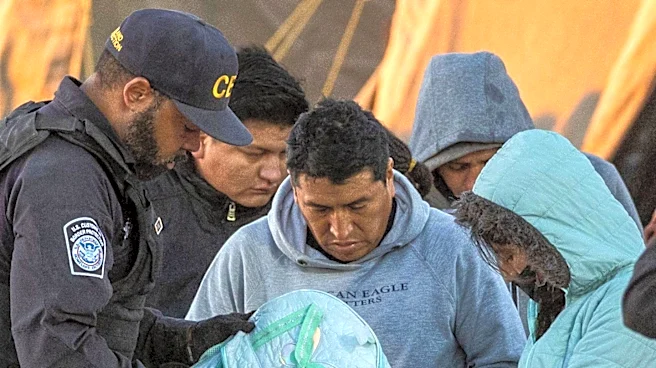
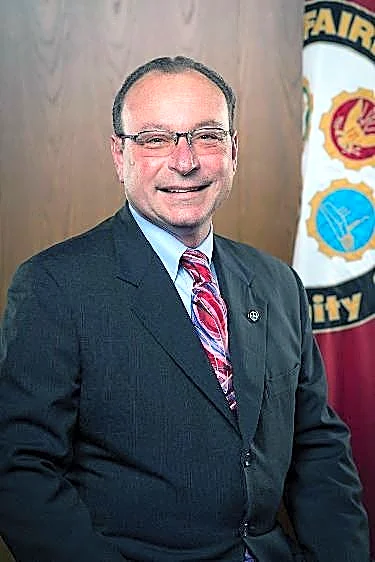
U.S. Representative Scott Peters, D-San Diego, has joined the San Diego Unified School District and local leaders in urging U.S. Immigration and Customs Enforcement (ICE) to cease enforcement operations during school hours. The call specifically targets
times when students are arriving at or being dismissed from school. Rep. Peters and other advocates argue that ICE activity near schools creates an atmosphere of chaos, fear, and trauma for students, which can impede their ability to learn and grow. The objective of this request is to ensure that students feel safe and secure within their educational environment, free from the disruption and emotional distress caused by immigration enforcement actions.
Why It's Important?
This initiative is important because it addresses the intersection of immigration enforcement and the educational well-being of children. When ICE operations occur during school hours or near school premises, it can have significant negative impacts on student attendance, mental health, and academic performance. Fear of apprehension can deter students and their families from attending school, undermining educational continuity and access. This issue also raises questions about the role of public institutions, such as schools, in providing safe spaces for all children, regardless of their immigration status or that of their families. The request from Rep. Peters and local leaders highlights a broader concern about the balance between immigration enforcement priorities and the protection of vulnerable populations, particularly children, within community settings. It underscores the need for policies that consider the collateral effects of enforcement actions on non-target individuals and essential community functions.
What's Next?
The call from Rep. Peters and the San Diego Unified School District is a direct appeal to ICE to modify its enforcement protocols. The next steps would involve ICE's response to this request, which could range from a formal acknowledgment and policy review to a rejection of the proposed changes. Advocacy groups and local communities will likely continue to monitor ICE activities around schools and press for policy adjustments that prioritize student safety and educational access. This issue may also prompt broader discussions at the state and federal levels regarding guidelines for immigration enforcement in sensitive locations, potentially leading to legislative efforts or new directives from the Department of Homeland Security. The ongoing dialogue will likely focus on finding a balance that allows for immigration enforcement while minimizing disruption and harm to educational environments and the children they serve.
Beyond the Headlines
The request to halt ICE operations near schools during specific hours delves into the ethical and social responsibilities of government agencies towards children and communities. It highlights the tension between national security and immigration control objectives versus the fundamental right to education and child welfare. The 'chilling effect' of enforcement activities can extend beyond those directly targeted, creating a pervasive sense of fear and distrust within immigrant communities. This can lead to reduced engagement with public services, including healthcare and education, which are vital for community well-being. The debate also touches upon the concept of 'sensitive locations' policies, which typically advise against enforcement actions in places like schools, hospitals, and places of worship. The current appeal suggests that existing policies may not be sufficient or consistently applied, necessitating a more explicit and enforceable commitment to protecting educational environments. Ultimately, this issue reflects a broader societal discussion about how the U.S. treats its immigrant populations and the extent to which enforcement actions should be tempered by humanitarian considerations and the protection of children.